Food Note

09/02/2025
Food Note

Satiate your craving for good food with insightful restaurant reviews, easy-to-follow recipes, and mouthwatering culinary experiments. Know the stories behind your favorite comfort food, the best international cuisine, and the latest viral food trends.

Why your baked goods never quite taste like bakery bread

05/11/2026
Why your baked goods never quite taste like bakery bread

Why your baked goods never quite taste like bakery bread

FOOD NOTE

Why your baked goods never quite taste like bakery bread

There is one of three reasons a home baker attempts making bakery-style bread: [1] to start a business, [2] upgrade their creations and eat delicious pastries at home, or [3] simply to hopefully one day be able to say they can make the exact same thing you see on the display cabinet of French Baker.

A 6Wresearch forecast based on internal database and industry insights says the Philippines Bakery Market is growing at a compound annual growth rate (CAGR) of 7.5% during the forecast period (2026-2032). The Philippines Bakery Market is growing through three factors, including higher urbanization rates, increasing disposable incomes, and changing consumer behavior toward premium healthy products. This means that the demand for bakery goods, including bread and pastries, is increasing rapidly as urban populations grow.

In 2024 reports, baked goods sold in the Philippines amount to a staggering $2 billion (112,369,000,000 PHP) each year. For Filipino bakers looking into opening a bakery, it’s safe to say that success is almost guaranteed—except if you deem your products to be a bit lacking to be put out there.

DATEMAY 11, 2026
AUTHORANGELA CLARE AGPAWA
READ10 Min
Troubled baker

Why your baked goods never quite taste like bakery bread

If you’ve already spent money and covered the whole kitchen in flour and still think there’s something off in your baked goods that makes it “not enough” for a bakery business, here’s probably what’s wrong:

You treat baking like cooking

One of the most common sayings in the culinary industry is this: Cooking is an art, baking is science.

Unlike cooking, where a pan is basically a canvas and the outcome is whatever you want it to be, baking is unimaginably precise. You cannot just substitute ingredients and eyeball measurements because every single alteration can make worlds of an impact in the finished product. You cannot expect white sugar to work and taste the same way as pure honey does, or add more liquids because you like it a “certain texture.” That might work in cooking, but almost never in baking.

If I may sneak a personal thought in here, I’ve once laughed at a comment in a Reddit forum asking about baking pet peeves that said, “People who legit don't follow the recipe. Lower your pride and do as the recipe says. Some things can't be measured with your heart.”

Truthfully, good baking starts when you let go of your experimental side—unless you’re a professional intentionally testing out recipes.

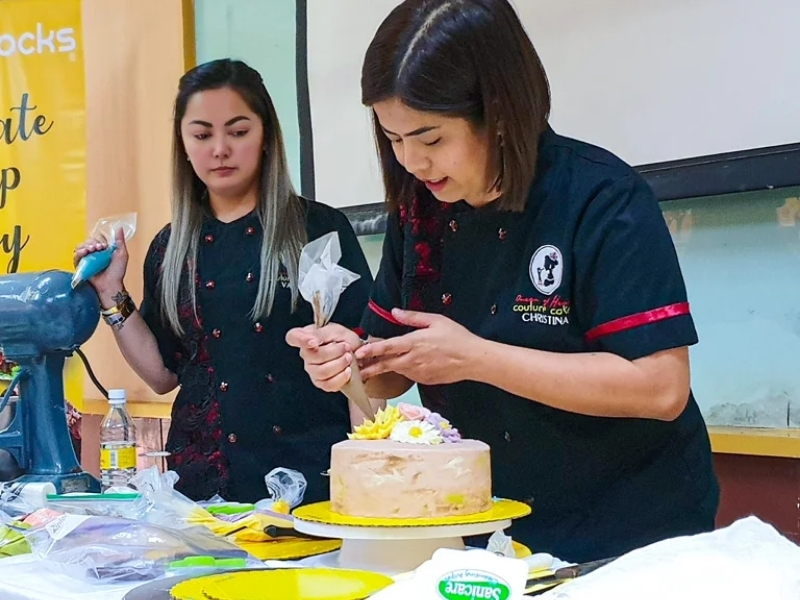
Baker smiling while baking

Not actually learning mixing methods

Many home bakers mistake mixing for stirring. Professional bakers take different mixing methods seriously because they have a direct effect on texture, flavor, and structure.

Stirring, for example, is useful only at the beginning to bring flour and water together. Kneading stretches and aligns gluten proteins so the dough becomes elastic enough to trap gas produced by yeast. Stretch-and-fold techniques strengthen dough while preserving internal air pockets. Slap-and-fold methods are typically used for wetter doughs because they build structure without adding too much flour.

Mixing batter close up

This is why bakery recipes specify exact methods; they do not just say “mix.” They are key techniques that create the airy crumb, chewy texture, and fine structure observable in professional bread. If you unexpectedly find your homemade bread rubbery, dense, or flat in texture, look back because you might have stirred the dough when it was supposed to be folded, and the recipe is not the one to blame.

Even the timing of ingredients matters. Take brioche as an example. If butter is added too early, gluten struggles to develop and the bread turns dense. In croissant dough, too much mixing warms the dough and softens the butter, ruining the layers before lamination even begins. Even pandesal dough changes dramatically depending on how long it is kneaded and at what speed.

Experimenting temperatures

Professional bakeries monitor dough temperature obsessively. Many target a final dough temperature between 24°C and 26°C, depending on the recipe. This helps maintain consistency regardless of the weather.

In the Philippines, where kitchen temperatures usually exceed 30°C, dough can ferment much faster than suggested by recipes written in cooler countries. A bread formula copied from a European cookbook may overproof in half the expected time if the temperature is ignored.

Yeast is alive. It reacts to the warmth of the water, the temperature of the room, and even the friction created by a mixer. Dough that is too warm ferments too quickly and develops a sour or alcoholic taste. Dough that is too cold rises sluggishly and lacks volume.

It does not stop with dough. A lot of home bakers try to get smart and tamper with temperatures to make things more convenient. Many attempt doubling the oven temperature and halving the bake time. However, this does not work because it takes time for heat to spread well and evenly (called thermal conductivity). When you put dough in the oven, it is cold compared to the heat of the air around it. The outer layer that is closest to the heat will be hotter for longer than the center, enough to burn the crust before the heat even reaches the center.

Oven Temperature

It’s simple food science. Research in the Journal of Cereal Science shows that slight variations in fermentation time, gluten development, and heat exposure can significantly alter bread texture and flavor outcomes.

Bakeries own recipes and practice techniques that take years to master

Frankly, the biggest difference between baking hobbyists and professional bakers is experience. Baking requires a ridiculous amount of meticulous planning, refining formulas, and repeatedly adjusted ratios to get the perfect combination.

In France, bakers spend years apprenticing before producing classic breads independently. In Japan, some pastry chefs devote decades to mastering laminated dough. Even local Filipino bakeries guard recipes that have been handed down across generations. That explains that one iconic local panaderya everyone in your neighborhood worships.

The difference is not secret ingredients. It is accumulated knowledge.

Home Baker vs. Professional Baker, side by side

This might be difficult to take in because it conveys the idea that you don’t try hard enough. But baking in itself comes with a lot of hidden techniques that can only be discovered through either firsthand experience, which would be impossible if you have only been baking for less than a couple of years, or learned from professionals, which you will rarely ever get from online recipes.

Many successful bakery owners started with the same feeling of confusion and frustration, until they decided they were done with the trial-and-error phase and started looking for real guidance.

Read: 5 Success Stories from The Bailiwick Academy Students

In the Philippines, The Bailiwick Academy is one of the most reliable online learning platforms for baking, where culinary professionals, both local and global, are gathered to share foundational principles, skills, and techniques used in commercial kitchens. They tell you what other instructors won’t; students are let in on real secrets and are guided through every single step. It’s a place for those who have no time for experimentation and want guaranteed success.

Person watching an online baking class

The platform offers baking classes for breads, cakes, pastries, pies, tarts, and cookies.

At the end of the day, baking isn’t hard. You just do not have access to learning the techniques it actually requires.

For more tips on food and business, subscribe to Our Market.

Chocolate Selections from CMV Txokolat to Gift Mom this Mother's Day

05/03/2026
Chocolate Selections from CMV Txokolat to Gift Mom this Mother's Day

Chocolate Selections from CMV Txokolat to Gift Mom this Mother's Day

FOOD NOTE

Chocolate Selections from CMV Txokolat to Gift Mom this Mother's Day

Some may argue that chocolates and flowers are getting too old as a Mother’s Day gift. Frankly, that may only be true for those who give or receive the usual almost every year. Plain bars and red roses are classics, but repetition can strip them of meaning, and the gesture risks feeling rushed rather than heartfelt.

Even if it’s just chocolates and flowers, there is always a way to make them unique for a more personalized, intentional touch. At least, pick one different enough to speak volumes!

If you’re on a hunt for the best chocolates that go beyond the expected, check out this Filipino chocolate brand that specializes in handcrafted chocolates that boast distinct local flavors using local ingredients.

DATEMAY 03, 2026
AUTHORANGELA CLARE AGPAWA
READ10 Min
Chocolate Selections from CMV Txokolat to Gift Mom this Mother's Day

5 Unique Chocolate Selections from CMV Txokolat to Celebrate This Year’s Mother’s Day

Out of all chocolate brands, why CMV Txokolat?

CMV Txokolat treats chocolate like actual craft, not just something made to be sold. Beyond cacao quality, their chocolates lean on strong flavor decisions, textured layers, and unexpected elements that aren’t play-safe. This makes it steer far from your average chocolates; these selections work for Mother’s Day because they feel deliberate and expressive, not default.

Sofia Strawberries

You’ve heard of chocolate-coated strawberries, but chocolate-filled strawberries? Quite uncommon in the local market. This is one of the reasons Sofia Strawberries is one of CMV Txokolat’s best-selling pieces.

Benguet strawberries are already quite popular for their size and brightness. CMV Txokolat decides to take them further by filling each one with Nutella, coating them in creamy milk chocolate, and finishing them with a light touch of gold dust.

It doesn’t feel excessive even though it's generously incorporated with chocolate. The fresh fruit cuts through the sweetness and the gold detail makes it celebratory. This combo makes this piece familiar enough to be comforting but elevated enough to feel special. It can also feel quite feminine, perfect as a Mother’s Day gift for the supermoms around you: your mom, sister, aunt, or wife!

 CMV Sofia Strawberries

Johnnie Walker Truffles

What better pairing to serve mom this Mother’s Day than a dinner with wine and chocolates, right? The Johnnie Walker Truffle gives you both in one bite. Talk about boldness and restraint at the same time.

CMV Johnnie Walker Truffles

In this selection, the dark chocolate ganache base is infused with a “sinful” amount of Johnnie Walker Black Label. The alcohol in the truffle is integrated to create depth and warmth that cater to mature palates leaning toward darker, more grounded flavors rather than sugar-forward sweets. No other chocolate is more perfect for late-night gifting!

Not a fan of alcohol? Try Vegan Truffles instead!

The Vegan Truffle is made of almond milk and Lakatan bananas combined with dark chocolate to make a delicious and healthy truffle. The taste of bananas isn’t strong at all, so no need to worry about tasting bananas when you paid for a chocolate. It’s perfectly incorporated to form that rich, dark truffle with a hint of fruit.

Sunrise Mango

If the Philippines were to be a piece of chocolate, it might be the Sunrise Mango Upon a bite, you taste sweetness followed by a hint of heat and salinity that keeps the bite interesting. It captures the taste of tropical, but not in a loud or confusing way. A solid choice for someone who appreciates layered yet cohesive flavors.

The Sunrise Mango has a chewy Cebu mango at the center, wrapped in roasted white chocolate, then sharpened with Mindoro sea salt and Brazilian pink peppercorn.

CMV Sunrise Mango

Salt & Pepper Cielo Bar

The Salt & Pepper Cielo Bar is the perfect mix of Mindoreños sea salt and Brazilian pink peppercorns in a roasted white chocolate bar. The contrasting flavor profile made between the chocolate’s creaminess, the peppercorn’s spice, and the sea salt’s briny taste is what makes this a masterpiece. It doesn’t trap you in a taste experience that chocolates are only either sweet, bitter, or rich; it could be everything at once and still taste like heaven itself.

This is the kind of chocolate you break into squares to enjoy rather than rush through. Subtle heat, balanced sweetness, and a consistently smooth texture. Its clean presentation and refined taste make it a good substitute for traditional chocolate bars you often see on Mother’s Day.

CMV Salt & Pepper Cielo Bar

CMV Signature Pralines

Want something even more unique, or simply can’t pick one? The Signature Pralines collection represents CMV’s most experimental side. All variants have a precise combination of flavors that seems unexpected yet tastes like a match made in heaven. Moreover, the visual design mirrors the complexity of taste.
The CMV Signature Pralines include carefully curated flavors that tell local stories through varying approaches. With this, your recipient can have a truly distinct chocolate experience rather than a repeat of the same note. It comes in boxes of 6, 12, and 24.

CMV Signature Pralines

Flavors to choose from: Anise and Orange, Barako, Binondo, Chamomile & Juniper Berry, Gin Pomelo, Gingered Cerveza Negra, Gumamela, Kaffir Lime and Coconut, Minted Calamansi, Salt and Pepper Caramel, Santol, and Sencha Green Tea.

What’s your pick? Get yours online on Iskaparate!

Subscribe to Our Market for more reads on food, lifestyle, culture, and business.

Homey Pinoy Dishes to Cook This Filipino Food Month

04/13/2026
Homey Pinoy Dishes to Cook This Filipino Food Month

Homey Pinoy Dishes to Cook This Filipino Food Month

FOOD NOTE

Homey Pinoy Dishes to Cook This Filipino Food Month

In Filipino culture, the phrase “Have you eaten yet?” (Kumain ka na ba?) is just as common as simple greetings and gestures. This is how much we value food and the importance of nurturing oneself by looking out for one another.

The Philippines is considered to have one of the most unique cuisines in the world due to its wide-ranging mix of external influences, including Spanish, Chinese, American, Mexican, Malay, and even Japanese, Korean, and Indian. It’s ironic because “authentic” Filipino cuisine just means combining a bunch of different cooking styles and methods from different countries, but that is also what makes it so unique.

If you didn’t know, April is Filipino Food Month! Different parts of the country had their own take on the observance by holding various events to celebrate and showcase the goodness of our culinary culture. You too can join in on the celebration in the comfort of your own home!

DATEAPRIL 13, 2026
AUTHORANGELA CLARE AGPAWA
READ10 Min
Person Cooking Filipino Food

Homey Pinoy Dishes to Cook This Filipino Food Month

Filipino dishes hit different when they are home-cooked; they taste familiar, almost as if you’re taken back to the time you were younger and lunch was made together by lola and nanay. Bring those days back by making some of the dishes in this Filipino food list:

Lugaw: Filipino Rice Porridge

Lugaw

Lugaw is a traditional rice porridge made by simmering rice in water or broth with ginger, garlic, and onions until thick and creamy. It is a no-brainer breakfast among Filipinos, which explains why you would often pass by carinderias or street eateries that mainly serve lugaw. It’s frequently served warm with toppings like fried garlic, scallions, boiled eggs, and calamansi. It is also a popular comfort food taken during sick days.

Arroz caldo and goto are two of the most well-known variations of lugaw. They are all the same in essence, only slightly going in different directions, especially once toppings are added. Arroz caldo leans into a more Spanish-influenced flavor profile and uses chicken as its main protein. It’s often enriched with saffron or kasubha, which gives it a warm golden color and a more aromatic broth. Goto, on the other hand, uses beef tripe as its defining ingredient, which gives it a deeper, more savory taste and a chewier texture, making it different from the smoother feel of plain lugaw.

Ginataan: Filipino Sweet Coconut Milk Stew

Ginataang bilo-bilo

While more often eaten as merienda (midday snack) and dessert, ginataan is also typically eaten for breakfast, especially by those who prefer a sweeter option to kickstart their day. The base of this dish is composed of glutinous rice balls (bilo-bilo in Tagalog), coconut milk, and sugar, and is commonly mixed with sago pearls, ripe jackfruit, bananas, and root crops like sweet potatoes or taro.

Ginataan comes from the root word “gata,” meaning coconut milk. Ginataan is a direct translation of “done with coconut milk,” referring to a method that involves simmering with coconut milk; thus, other variations such as ginataang mais, ginataang halo-halo, and ginataang munggo (mung beans). This dish is surprisingly filling and satisfying, making it perfect for mornings.

Taho: Filipino Sweet Silken Tofu

Taho

Taho is a very common street food in the Philippines, mainly made of extra soft silken tofu, sago pearls (small tapioca pearls), brown sugar syrup (arnibal), water, and vanilla extract. It’s comforting, inexpensive, and nutritious, most of all. It contains about eight grams of protein per cup, similar to one egg. It’s most often sold early in the morning by peddlers, but it’s also eaten as a dessert because of the sweetness.

Pares Mami (Filipino Braised Beef Stew Noodle Soup)

Pares Mami

Pares mami is a sweet and savory combination of braised beef stew and a light noodle soup on the side. “Pares” means “pair” in Filipino, which refers to the classic trio of braised beef, garlic fried rice, and a bowl of clear beef broth.

The dish is prepared by simmering the beef slowly in soy sauce, sugar, garlic, and spices until tender.

Over time, people started adding mami to it, hence the name “pares mami.” The contrast of mami with its clear broth and white noodles completely balances out the heaviness of the pares alone. It’s heavy, but in a satisfying way rather than an uncomfortable way.

Bulalo (Filipino Beef Shank and Bone Marrow Stew)

Bulalo

Bulalo is at 26th place on TasteAtlas’ top 100 best soups in the world as of April 2026. It’s made by boiling beef shank and marrow bones for hours until a clear, deeply flavored broth is achieved. It’s traditionally associated with places like Tagaytay due to the cooler weather, but bulalo has become a nationwide favorite often served with corn on the cob, cabbage, and potatoes. The marrow, rich and buttery, is usually the highlight, but it’s the broth that keeps people coming back.

Sinugba (Filipino Grilled Meat)

Sinugba

Sinugba is a Cebuano and Visayan term for "grilled" or "roasted" food, typically cooked over hot charcoal. Sinugba dishes typically use meat and seafood lightly marinated or seasoned before grilling. This method of cooking dates back to pre-colonial times, making it one of the oldest techniques still widely practiced today. This gives them a unique smoky flavor that instantly sets it apart from stovetop dishes. It’s best dipped in sauces like soy sauce with calamansi or spiced vinegar for a simple yet surprisingly satisfying meal.

Fun fact: Filipinos eat more than three meals a day. Due to a strong food culture, it is common for them to eat five to seven times, including merienda (mid-morning or afternoon snacks). Typical food items in this category are sweet and heavy.

Piaya (Filipino Muscovado Flatbread)

Piaya

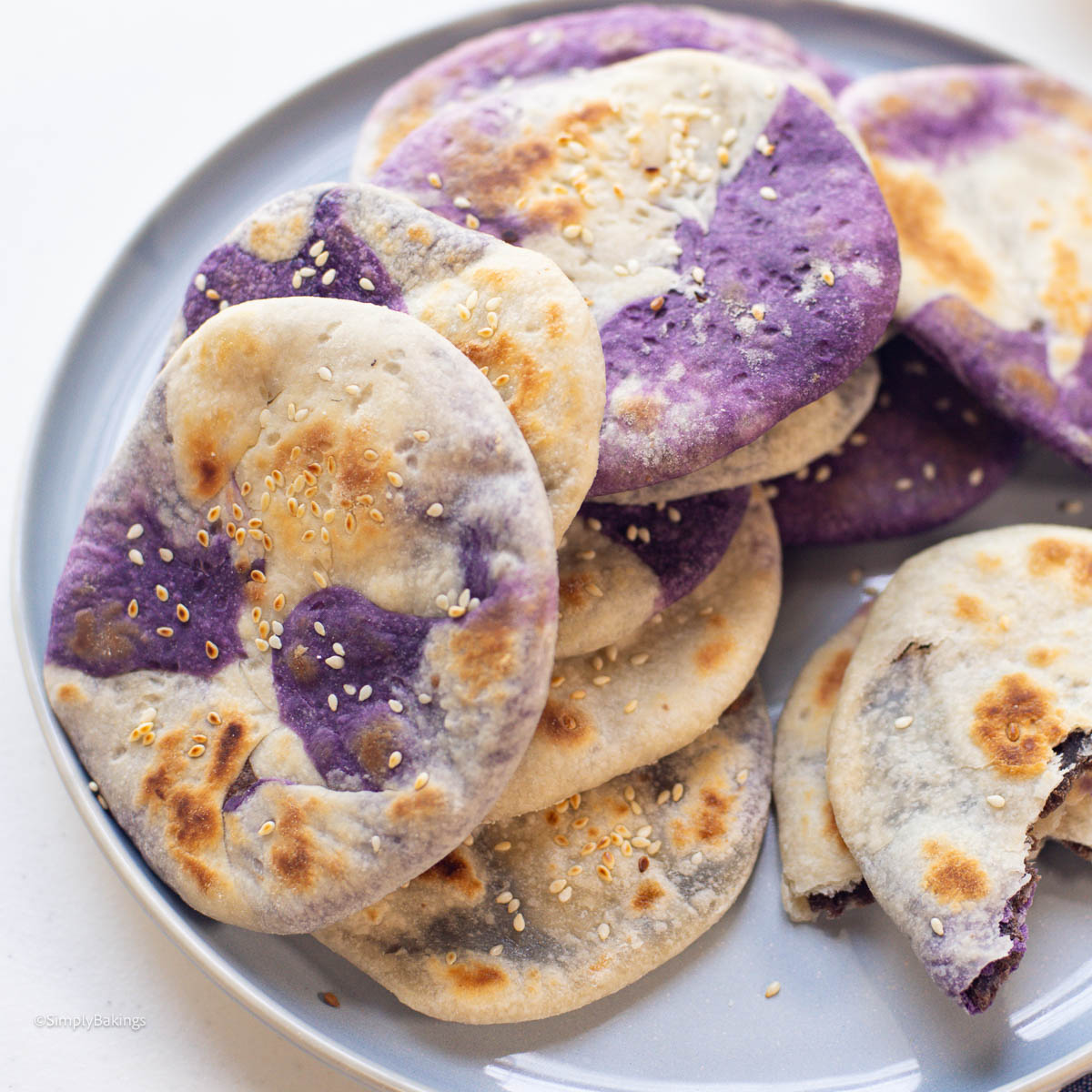
Piaya is a flat, unleavened bread filled with muscovado sugar, known for its thin, slightly crisp exterior and soft, caramel-like center. Originating from Negros Occidental, it reflects the region’s long history of sugar production. The muscovado gives it a deeper, almost smoky sweetness that sets it apart from refined sugar-based pastries. While it may look simple, achieving the right texture takes attention to heat and dough handling, as it can easily turn too hard or too soft when not cooked properly.

Cassava Cake (Filipino Grated Cassava Dessert)

Cassava Cake

Cassava cake is a baked dessert made from grated cassava, coconut milk, and sugar, often topped with a creamy custard layer. The main ingredient was introduced to the country by Portuguese and Spanish traders in the 19th century, but it’s still thriving today as a local favorite among Filipinos.

The cake has the perfect balance between dense and chewy textures, which makes it filling without a heavy feeling. This is why it’s best as an afternoon snack where you would need just enough energy to last until dinner. It’s commonly served during gatherings, but making it at home is also great for better control over sweetness and texture.

Halo-halo (Filipino Shaved Ice Dessert)

Halo-Halo

Halo-halo, which literally means “mix-mix,” is one of the most globally recognizable Filipino desserts. It’s a layered combination of shaved ice, evaporated milk, sweetened fruits, beans, jellies, and toppings like leche flan or ube. If you have not tried it yet, you’d be surprised at how well-balanced it tastes despite its playful appearance. It’s best for hot afternoons or as a sweet treat after a savory meal.

Where to find Filipino Food Recipes Online

There is always a new level to the traditional Filipino food we grew up with. Learning and mastering them not only to celebrate, but also to give tribute to the rich culinary culture of the Philippines, is one of the best ways to commemorate Filipino Food Month. Professional chefs and high-level culinary hobbyists at The Bailiwick Academy are sharing exclusive recipes for the best Filipino food you could ever make.

DIY Dessert Buffet at Home: Recipes, Tips, and Ideas

04/01/2026
DIY Dessert Buffet at Home: Recipes, Tips, and Ideas

DIY Dessert Buffet at Home: Recipes, Tips, and Ideas

FOOD NOTE

DIY Dessert Buffet at Home: Recipes, Tips, and Ideas

“Save the best for last,” they say. Coincidentally (or maybe not), “stressed” spelled backwards is also “desserts.”

The dessert bar is often the last place people go to at a buffet, and it is also the most-awaited part of the buffet experience. Of course, desserts are appetite-closers, at least that’s what I call them. Only those creamy, sweet treats truly give the feeling of satiety after a full-course meal.

But what if I tell you that you can drag that dessert table full of beautiful bite-sized pieces out of buffet places and have them right in the comfort of your own home? Not literally, obviously. But you can, in fact, make them yourself.

DATEMARCH 30, 2026
AUTHORANGELA CLARE AGPAWA
READ10 Min
Person serving food at a table with people

DIY Dessert Buffet

Before you start working on your DIY dessert buffet, let’s get certain mindsets out of the way.

First, know that homemade desserts can look just as polished as catered spreads. If you make something, do not ever think they are no match for what you see in restaurants. Some things only look fancy because they are at a fancy place. You can make the same quality, or maybe even better!

Second, resources aren’t the most important thing. Dessert bars always look expensive, but the secret is not in the budget but in the skills behind it, and skills can always be learnt.

Dessert Table Tips and Ideas

The first thing you need to come up with is the theme; once you have one, everything else follows. Some dessert table theme ideas include a classic cafe, a pastel party, a chocolate-focused spread, or even a more niche one like Filipino-inspired desserts. It may vary depending on the celebration—are you making a birthday dessert table, or maybe a graduation dessert table? This is going to be the foundation of your dessert buffet setup and the overall vibe of your craft.

Different Dessert Table Themes

After the theme, you can now think about the dessert lineup. This is often categorized into three: base items, the centerpiece, and fillers. The base items are your usual sweet baked goods, like bars, brownies, and cookies. The centerpiece must be one showstopper, like a beautifully layered cake or a tart. The fillers, despite the name, will complete the look of your dessert bar; composed of bite-sized foods like truffles, mini cakes, cookie cups, and doughnut holes.

How to Style a Dessert Table

The method for perfecting the buffet-style dessert bar is to keep it clean yet creative. For cake stands, boxes, and other serving trays, use different heights to make it interesting at first glance; this alone contributes significantly to the aesthetic appeal of the setup.

Dessert Table Setup

Following your theme, make sure to keep a consistent color palette to make it look effortlessly cohesive; this includes other elements like labels or mini signage. Sticking to a concept is what gives your dessert table a personality.

Now I know it’s easy to try and be overly creative by adding in a bunch of dessert pieces to make it “look full,” but that is the last thing you’d want to do if you want an actual nice dessert table setup. Use clean spacing, avoid overcrowding; let people have a good look at every piece.

How to Make Your Own Dessert Buffet

You have your theme, props, materials—and now the hardest part: baking desserts. So here are a few baking tips for your dessert buffet.

Person decorating a dessert buffet

Start by choosing recipes you can realistically execute. A dessert buffet doesn’t need complicated techniques across the board. Pick a few reliable bases—like a soft cake, a bar-style bake, and a chilled dessert—then build around them.

Work in batches, not all at once. Begin with items that hold well, such as brownies, blondies, or loaf cakes. Desserts like these can be made a day ahead, while others like mousse or other cream-based treats are best assembled closer to serving. Spacing out your tasks makes the process far more manageable and avoids last-minute stress.

Next, move on to components that need assembly, like layered desserts or filled pastries. Save delicate finishes, like whipped cream, glazes, and fruit toppings, for last so they stay fresh.

Pay attention to consistency. Batter thickness, oven temperature, and timing make a bigger difference than most people expect. One overbaked tray or under-whipped cream can throw off the entire table. Try to test at least one recipe in advance, especially if you’re trying something new.

Some people overlook the importance of cooling and storage, but they are just as important as baking. Cakes and bars need time to set before slicing, while mousse and cream-based desserts require proper chilling to hold their shape. Rushing this part can result in a messy presentation even if the flavors are right.

Dessert Buffet Recipes

I did say that baking was the hardest part in creating a dessert buffet, but it’s only hard without guidance. Buffet chefs were once first-timers too, and look at them now—making the most satisfying desserts everyone enjoys. If you have the right guidance, making desserts can be surprisingly manageable and enjoyable.

Person decorating a dessert buffet

If you’re making a dessert table on your own, it mostly comes down to relying on free online cooking tutorials. They are helpful, but not everything is explicitly shown, not all recipes are provided, and you miss out on the tiniest details. When working on something as hardworking as a dessert buffet, you may want to invest in something that guarantees success even on the first try.

That’s where a more structured walkthrough can make a difference. The Dessert Buffet class at The Bailiwick Academy teaches 7 classic dessert recipes often found in buffets. More than sharing recipes, it also goes through the start-to-finish baking process, from preparing batters and fillings, all the way to assembly and costing.

The class provides baking tutorials on Pavlova with Fresh Fruits, Pistachio Banoffee Verrin, Chocolate Mousse Petit Gateaux, Matcha Eclair, White Chocolate Blondies, Carrot Cake, and Salted Caramel Eclair.

The baking class is taught by a real professional, led by Chef Ely Rowen Salar, a Certified Red Seal Pastry Chef in Canada and a Chef-owner of Patisserie Le Choux-Colat. He is the former Head Pastry Chef of the Hotel Arts group and manages the pastry department responsible for creating desserts and pastries for three award-winning restaurants and the catering division of Hotel Arts Group.

He is also a multinational awardee, a member of SAIT Canada’s Pastry and Baking Arts Program advisory committee, a top culinary school in Canada, and the Education Board Director of the Philippine Culinary Federation of Canada.

What’s even greater about this is that you get to keep a downloadable workbook and the video tutorial playable anytime. All you need to do is sign up, learn, and you have a beautiful dessert lineup that can even be used for a startup business. It’s been easier to look for credible baking classes in the Philippines ever since The Bailiwick Academy.

Ready to make your own dessert buffet at home? Sign up now!

Find more tips on business, food, and lifestyle by subscribing to Our Market.

Dim Sum 101: All You Need to Know About This Traditional Chinese Cuisine

01/04/2026
Dim Sum 101: All You Need to Know About This Traditional Chinese Cuisine

Dim Sum 101: All You Need to Know About This Traditional Chinese Cuisine

FOOT NOTE

Dim Sum 101: All You Need to Know About This Traditional Chinese Cuisine

More than being a go-to hangout idea with your friends, it’s probably about time dim sum gets appreciated for its centuries-deep history and meaningful originating culture.

Dim sum is a culinary tradition that started along China’s Silk Road teahouses as snacks for resting travelers. It later evolved into an imperial food item during the Song Dynasty and has now become a brunch staple in Cantonese yum cha gatherings, even in Chinese-Filipino communities.

Want to know the whole story, or how you can avail of the online dim sum course? Read the full article now!

DATEJANUARY 04, 2026
AUTHORANGELA CLARE AGPAWA
READ10 Min
Hakaw dim sum in a bamboo steamed bowl

In the Philippines, siomai and siopao were among the citizens’ favorites, having that comforting familiarity and the authenticity of Chinese cuisine. It’s most evident when you walk the streets of Manila’s Chinatown, Binondo, you’ll find cluster after cluster of friends and Filipino-Chinese families having the best dim sum feast of their lives. This is proof of the impact the cuisine has made on our culture and everyday life.

If you love dim sum, this is going to be one of your best reads! You’ll find an overview of everything you’d want to know about dim sum: the meaning, first term usage, common variations, and down to ethical practices that explain why it’s a faux pas to grab the last piece without offering it to the table first. Did you know that there was a traditional way of serving dim sum that barely exists today? Dim sum isn’t all about bite-sized pieces of food, but a whole culture behind it.

If this nudges the chef in you, you’ll be delighted to discover The Bailiwick Academy’s Dim Sum 101 Masterclass! Finally, a class that teaches authentic techniques, folding hacks, and recipes not just for siomai, but also premium kikiam, shrimp balls, siopao, and more, all generously packed into a single course led by a professional chef with downloadable workbooks and playable videos anytime.

Looking for authentic dim sum to enjoy at home instead? Wei Ming Dian on Iskaparate is known for selling traditional and authentic Chinese food of all sorts, such as dumplings, chicken feet, sausages, and more, both at bazaars and online!

Dim sum has become quite a frequent order among Filipinos in Chinese restaurants, and even a commonly prepared dish in their households. This has been long prevalent to the point of Filipino dim sum creation, such as siomai (Chinese: siu mai, shumai) and siopao (Chinese: sio pau), which are popular adaptations of Chinese dim sum that have evolved to suit the Filipino palate.

The interesting part is that dim sum isn’t just pork siomai on rice, but centuries of traditional practice and a cultural treasure that extended to Hong Kong, later became part of Cantonese cuisine, and is now a beloved category of dishes all over the globe.

Etymology and Origin of Dim Sum

Dim sum is believed to have originated from the teahouses along China’s Silk Road where travelers would rest with hot tea and small plates before hitting dusty roads again. During the Song Dynasty (960–1279) in China, the imperial chefs created new varieties of bite-sized delicacies and desserts made of milk and bean paste for the emperor.

However, the first written reference to the term was before that, during the Tang dynasty (618–907), where, in the Book of Tang, the word was used as a verb: "I have not finished preparing myself and am not ready for a proper meal; therefore, you can treat yourself to some small snacks." In this context, "dim sum" means "to barely fill your stomach.”

Dim sum is typically associated with yum cha, a Cantonese tradition during brunch which involves a social event or gathering where participants indulge in dim sum and drink tea. This gives sense to the reference in the Book of Tang, which implied the idea that you’re hungry, but not ready for a full-blast meal — pretty much what brunch is about.

If you were to search for the literal translation of the word dim sum, it means “touch the heart” or “so close to the heart,” meaning that it was never supposed to make you full, but to create cherished memories with your loved ones and bring delight to the heart.

Dim Sum Practices and Tradition

While yum cha is both the origin and the present in the dim sum culture, there are more meaningful involvements revolving around dim sum, especially in Filipino-Chinese relations.

Yum Cha

Dim sum is rarely eaten alone as it forms part of yum cha, where families gather for tea and dim sum for breakfast, lunch, or both (but never for dinner) on weekends or special occasions. In the Philippines, this tradition is still commonly practiced in Chinese-Filipino communities, especially in places like Binondo, Manila, the world’s oldest Chinatown. It may not be as ceremonial as the tradition, but it remains indicative of the bond beyond race and culture in the community.

Hakaw dim sum in a bamboo steamed bowl

Filipino-Chinese Relations Through Dim Sum

The fact that such an old tradition still lives in some communities proves that dim sum is one thing that strengthens the ties between Filipino and Chinese cultures. Not only do we see traditional Chinese restaurants in Ongpin, but also fast food chains offering siomai rice meals. It shows how Chinese immigrants influenced local food culture and created a bridge between two nations simply through shared meals and culinary practices.

Dim Sum Push Cart

Most dim sum nowadays are either served on the table by waiters or personally picked up at a buffet. But in traditional Cantonese restaurants, such as in Hong Kong and Guangdong, dim sums are both cooked and served in push carts. Diners select dishes directly from the carts, adding spontaneity and authenticity to the experience.

Different types of dim sum carts include traditional wooden carts, stainless steel carts, electric carts, and portable or foldable carts. They are often equipped with steamers, warmers, and display shelves to display various dim sum items.

Common Types of Dim Sum

Here are top dim sum dishes, some even labeled as “heavenly kings of dim sum” by the Hong Kong Tourism Board!

1. Har Gow (Shrimp Dumplings) - Translucent dumplings filled with shrimp, bamboo shoots, and pork fat for texture.

2. Siu Mai (Pork and Shrimp Dumplings) - Topped with crab roe or grated carrots, widely adapted in Filipino-Chinese eateries.

3. Char Siu Bao (BBQ Pork Buns) - Soft steamed buns filled with sweet-savory roasted pork.

4. Cheung Fun (Rice Noodle Rolls) - Rice noodle sheets wrapped around shrimp, beef, or BBQ pork, served with sweet soy sauce.

5. Egg Tarts (Dan Taat) - Buttery crust with silky egg custard, the Cantonese cousin of the English custard tart made either with shortcrust pastry or puff pastry.

Every region in China has its own specialties, and restaurants often create signature items, leading to thousands of dim sum recipes across Asia.

Where to Buy Dim Sum

Want to buy siomai online? Sellers of authentic Chinese dim sum are all over the internet. You can check out Wei Ming Dian on Iskaparate, they offer all sorts of authentic Chinese food, including bean curd roll, buchi, even radish cake and tikoy! Just place an order and it’ll be delivered right to your home.

Cooking Chinese dim sum using bamboo steamer

Dim Sum Etiquette

Like every other tradition, yum cha involves a certain etiquette. The Etiquette Consultant has listed it down for those who ought to know:

1. Chopstick Basics
Sharing is caring, but make sure to always use serving chopsticks when getting food. If you really want to use yours, flip it to the clean end. When you’re finished eating, lay them on the right side of your plate or on the chopstick rest. Never stick them upright – that’s a dining taboo. You don’t want to leave a bad impression.

2. Don’t eat straight to the mouth.
Always transfer dim sum to your own plate before digging in. The communal dish is strictly for moving food, not eating from.

3. Nibble, don’t chomp.
Take small bites to let the dim sum cool and taste better. Use your soup spoon to hold meat or bones while eating with chopsticks, and place any scraps neatly on your plate.

4. Leave the last piece.
Never grab the last piece without offering it around first. Classic dining courtesy!

5. Tap to say thanks.
When someone pours you tea, tap your index and middle fingers on the table twice as a mini bow of gratitude.

6. Tea Rule
Always pour tea for others before yourself, starting with the eldest. If you need a refill, flip the teapot lid to signal the server.

7. Toothpick Etiquette
Don’t stress if your host picks their teeth at the table – just cover your mouth with your hand and pick away too.

8. Don’t clean your plate.
Leaving a little food tells your host you’re full. Finish everything and they’ll keep piling on more!

Dim Sum Cooking Class

While Filipinos do have a bit of similar food to dim sum, like lumpia or spring rolls (I’m saying this due to the concept of meat filling inside a wrapper), learning how to make dim sum is ironically simple yet complicated, and it can be real tricky without proper guidance. Even though there is a bunch of free cooking tutorials or dumpling recipes you can find on the internet, the risk in quality will always be there. If you’re learning a dish anyway, might as well do it right! Thankfully, there are online cooking courses that offer comprehensive tutorials and workbooks by experienced chefs to help home cooks and startup food business owners, like The Bailiwick Academy, which is known for professional-level yet approachable culinary education.

people making dim sum; wrapping dumplings

This Dim Sum 101 Masterclass by The Bailiwick Academy offers an in-depth tutorial on traditional techniques and modern twists on classic recipes. It covers dough-making, mixing, filling, and folding techniques, as well as recipes for popular dim sum dishes like Japanese siomai, fried wanton, siopao (asado and bola-bola), and even bonus recipes for shrimp balls, premium kikiam, and more. That’s just a peek; there is a total of 15 RECIPES under only one dim sum class!

Ready to learn how to make homemade dim sum? Sign up now!

people making dim sum; wrapping dumplings

Comments

No posts found

Write a review
Background Music Player