Culture Reads

09/02/2025

Stories and heritage that shape the Filipino identity. Get immersed in the local culture, and get to know the art, music, historical spaces, languages, literature, and contemporary movements that make us distinctly Filipino.

The Better Choice: Handmade Products Over Mass-Produced Items

04/20/2026
The Better Choice: Handmade Products Over Mass-Produced Items

The Better Choice: Handmade Products Over Mass-Produced Items

CULTURE READS

The Better Choice: Handmade Products Over Mass-Produced Items

Two of the things that have massively shaped the modern era are automation and mass production. In this age, what remains appreciated for its authenticity are handmade products—they are slower to produce, often imperfect in appearance, and tied to the crafter behind them—that is precisely where their value lies. Handmade products are living records of tradition that hold techniques, stories, and identities that might otherwise fade over time. In the Philippines, this connection between craft and culture remains visible in both expected and surprising ways. Textiles, baskets, pottery, and even food continue to reflect regional identity. Each piece is not just about how it was made, but why it exists in the first place.

DATEAPRIL 20, 2026
AUTHORANGELA CLARE AGPAWA
READ10 Min
Handmade Products

Handicrafts as a Form of Cultural Archive

While handmade goods are often referred to as expressions of creativity, they are just as much about preservation. Methods passed down through generations rarely exist in written form, but are rather taught through repetition. At the same time, handmade art pieces tell stories of tradition and culture itself, which explains the existence of museums. There are infinite other ways in which handmade crafts are relevant to preserving culture.

Endangerment does not only apply to animals or plants; it can also apply to crafts. Vacation With An Artist (VAWAA) listed some of the most endangered crafts in the world that survive only through the dedication of master artisans, including Sicilian Puppet Making, Appalachian Broom Making, and Japanese Umbrella Making.

In the Philippines, there are five vanishing crafts on the verge of extinction, one of them being Borlas de Pastillas or pastillas pabalat, the century-old paper-cutting art form used to wrap pastillas, an iconic Filipino childhood dessert.

Another is Pukpuk or Repoussé, an ancient metalworking technique involving hammering thin metal sheets from the reverse side to create a raised, three-dimensional relief design on the front. This craft dates back to the fourth century across multiple cultures, including the Philippines. Bryle Suralta, in a published article by the University of the Philippines Alumni, wrote, “Our Visayan ancestors were famous for repoussé. […]”

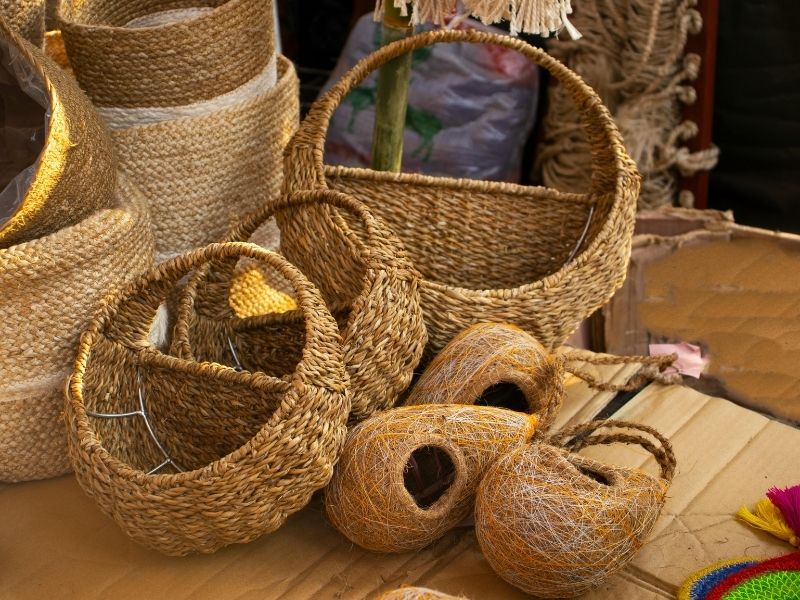
It would not be ideal for a culture-rich country like the Philippines to further risk losing a limb in its handicraft industry. This is the aspect in which handicraft businesses are most appreciated. Submit Labin Handicrafts and Daniel’s Handicraft are some of the most outstanding brands in the industry, offering woven baskets using various materials like rattan, bamboo, seagrass, pandan, buri, nito, and abaca.

Woven Baskets

Weaving is known as the primary cornerstone of Philippine handicrafts. While perishable, indigenous weaving is considered one of the country’s earliest crafts associated with pre-colonial culture. The Banton Burial Cloth (13th–14th century) is currently the oldest surviving woven textile in the Philippines.

Retailing authentic handwoven baskets and other forms of woven items helps cultural preservation in two main ways. By selling them, the art gains exposure to consumers and raises awareness about the rich weaving culture that many may have forgotten over the centuries. Massive handmade production also means large working communities that are capable of passing skills and keeping the tradition alive for generations to come.

In addition, this kind of commerce provides livelihood opportunities for many artisans. Daniel’s Handicraft does this by training in surrounding communities to create woven baskets using locally sourced materials. They also train inmates from the New Bilibid Prison—with this, learned skills have also become a bridge back into society, preserving not just culture, but dignity and purpose.

Cultural Preservation Through Food

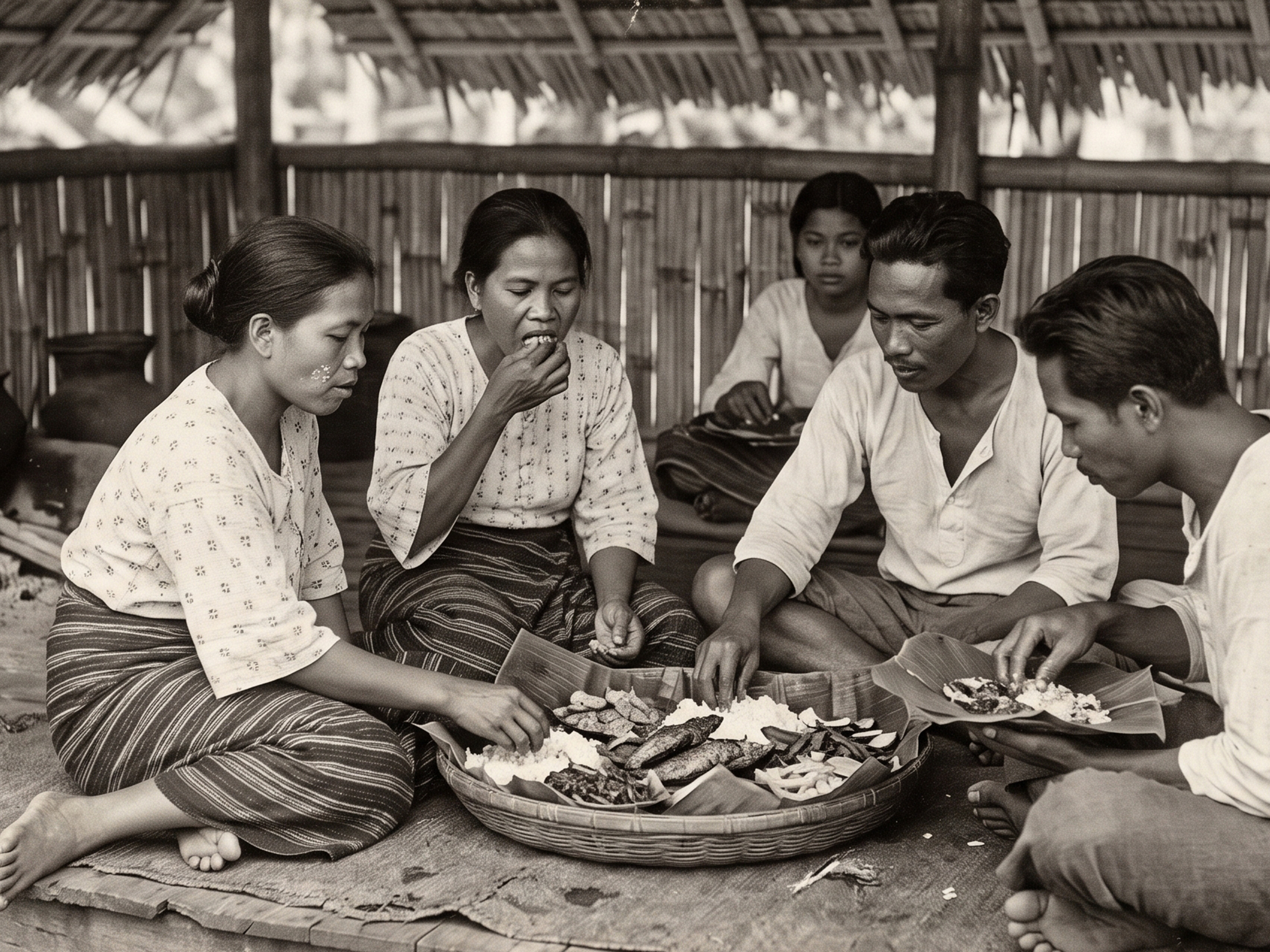
Through food, we pass down recipes, techniques, and share meals among communities to maintain culture and social bonds. It’s a beautiful transformation of food from mere sustenance into a living memory that protects diverse global culinary identities.

As Chef Jay Reifel, author of History of the World in Ten Dinners, put it: “There’s no better way to connect people to their own history than giving them the immediacy of a dish in front of them.”

The Philippines’ most popular dishes reflect exactly what the culture is like. Adobo, sinigang, lechon, sisig, halo-halo—all are oddly simple, yet surprisingly and addictively rich. When food is nurtured, it improves and takes on multiple unique forms that further its potential. CMV Txokolat saw this and came up with kare-kare chocolate, adobo chocolate, bibingka chocolate, and sisig chocolate. The brand reimagines local cuisine in the form of handcrafted chocolate.

CMV Filipino-cuisine inspired chocolates

This idea of fusing a conventional chocolate with unique Filipino cuisines is something that can only be thought of if appreciated enough. This isn’t something that can be made with machines, but rather only truly done with heart and skills—the presence of a maker.

This human element is particularly significant in cultural preservation. When artisans create, they do not simply replicate designs; they interpret them. A basket may follow a traditional pattern, but subtle differences prove being made with the weaver’s hand. These variations are not flaws, but are proof that culture is alive.

Culture is often spoken of as something to protect, as if it were fragile and static. But in reality, they preserve, but they also transform. They honor tradition while making space for new interpretations. A chocolate bar inspired by Filipino cuisine introduces heritage in a form that feels entirely new.

That is the real role of handmade goods in cultural preservation. They do not freeze culture in place. Instead, they keep it moving, ensuring that stories, skills, and identities continue to be passed on, not as relics of the past, but as part of life.

Subscribe to Our Market for more culture reads.

ICYMI: Here’s What Happened at the Filipino Food Month 2026

04/05/2026
ICYMI: Here’s What Happened at the Filipino Food Month 2026

ICYMI: Here’s What Happened at the Filipino Food Month 2026

CULTURE READS

ICYMI: Here’s What Happened at the Filipino Food Month 2026

Filipino cuisine has been steadily climbing up the ranks of the best cuisines in the world over the years. In the TasteAtlas Awards 25/26, the Philippines placed 25th among 100 countries, with dishes such as inasal na manok, sinigang, and sinigang na baboy ranking among the world’s top 100 best dishes.

Gaining global recognition for the entirety of our culinary culture is an achievement, especially knowing that the world is finally appreciating it outside of adobo, lumpia, and halo-halo. To celebrate our culinary treasure, there’s no better time than April, the Filipino Food Month (FFM).

This is not heard about as often as other observances, but you’d be surprised at how greatly celebrated it is by different organizations and LGUs in the country. Here’s a peek at them and how you can celebrate in your own little way!

DATEAPRIL 05, 2026
AUTHORANGELA CLARE AGPAWA
READ10 Min
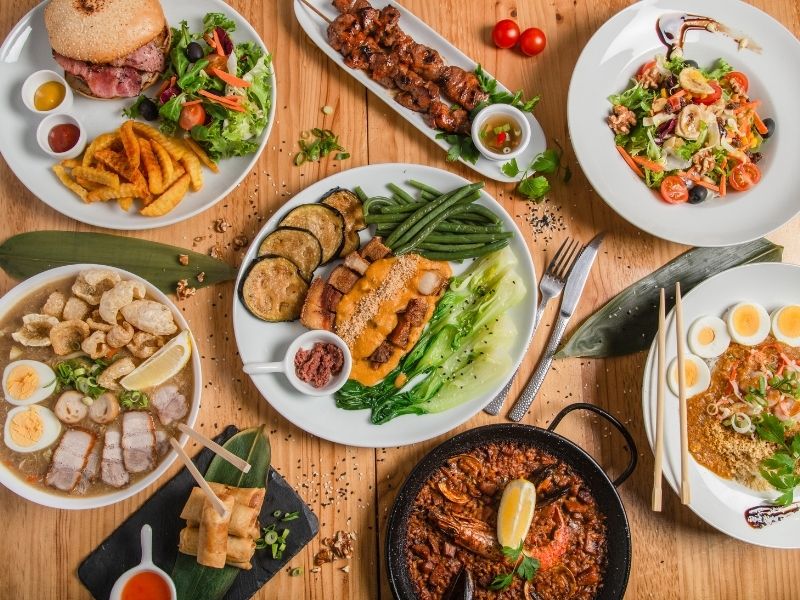
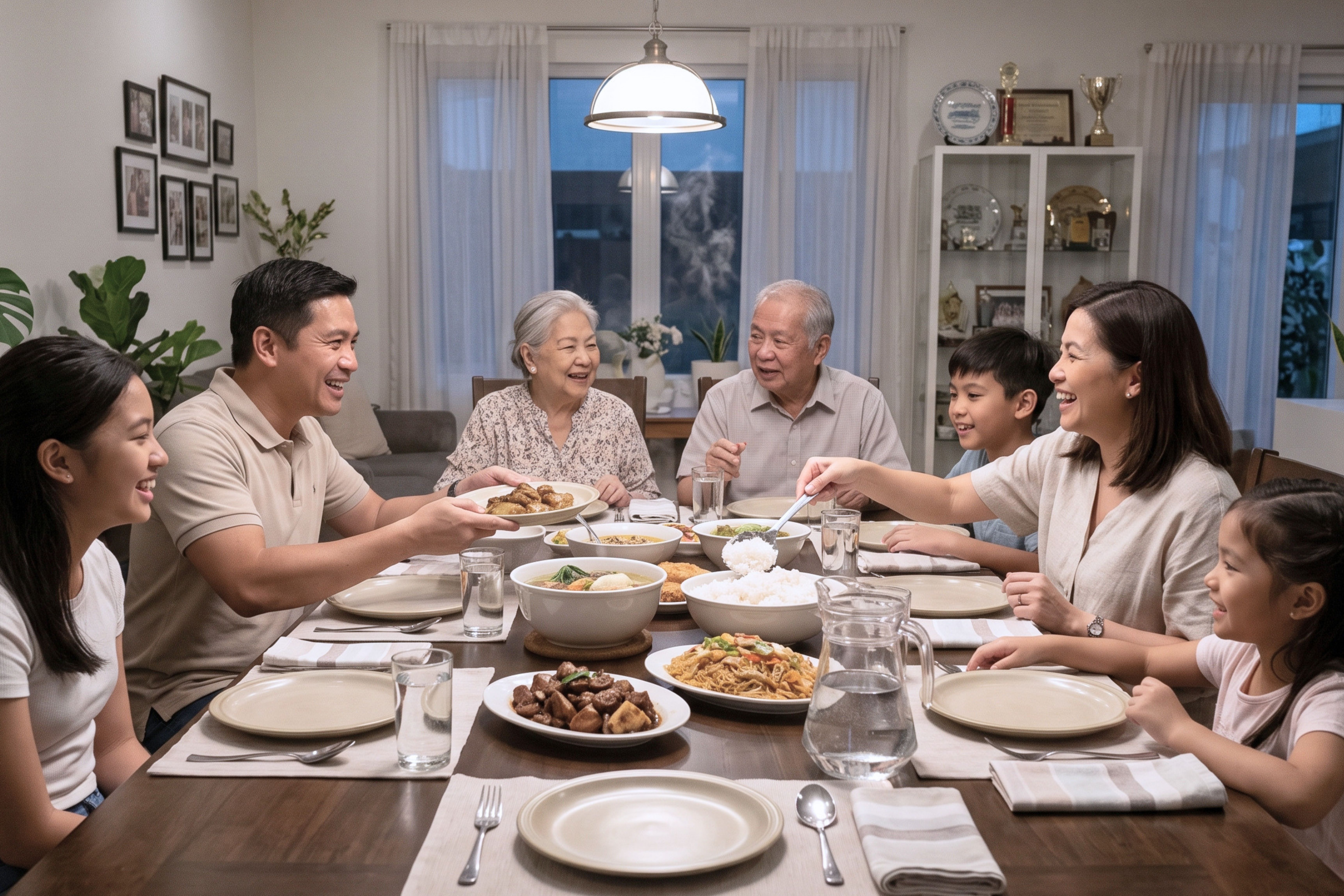
Filipino Food Table

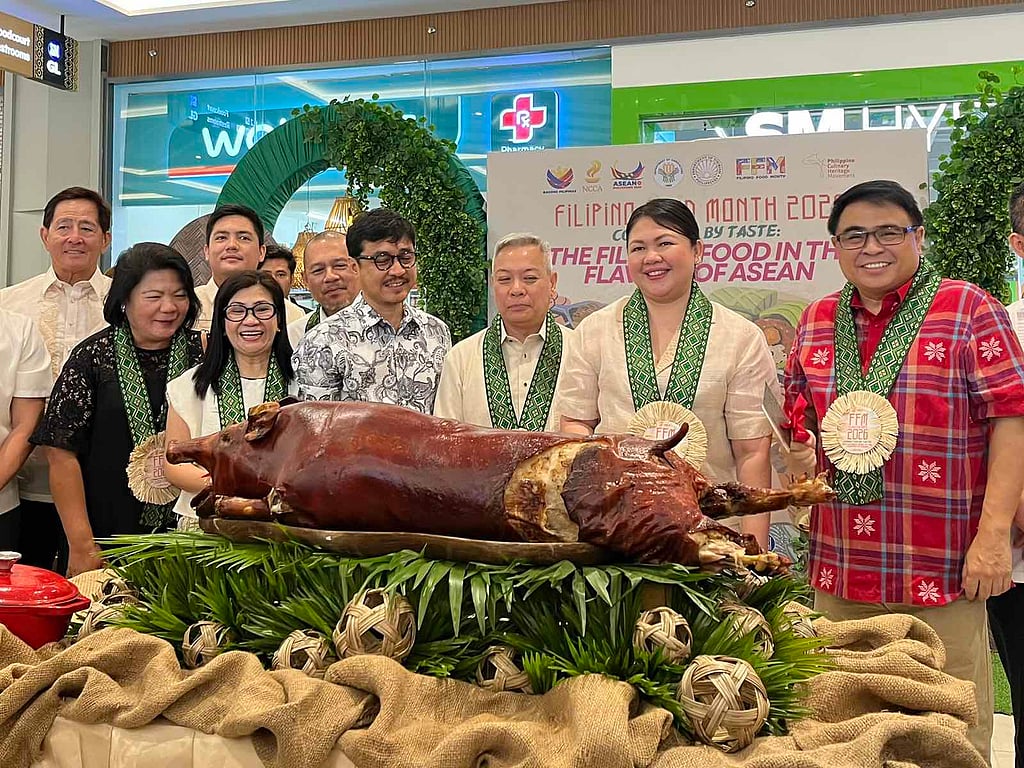
Philippine Celebration of Filipino Food Month 2026

This year’s theme, "Connected by Taste: The Filipino Food in the Flavors of ASEAN,” is anchored on the Philippines' ASEAN Chairmanship, aiming to spotlight local culinary heritage.

April 2026 activities for Filipino Food Month unfolded as coordinated yet locally distinct programs, with each host location celebrating the observance around its own food identity, public spaces, and community networks. Announcements made during the national press briefing led by the National Commission for Culture and the Arts (NCCA) outlined a month full of culinary fairs, heritage talks, cooking demonstrations, and institutional collaborations, but the actual experience on the ground showed how differently each area interpreted that framework.

FFM Opening at Iloilo SM Terminal Market

 Woman at home with flower decorations

Iloilo City sets a hearty table for Filipino Food Month 2026 | Daily Tribune

As a recognized UNESCO Creative Cities Network Creative City of Gastronomy, Iloilo City hosted the opening program for this year’s Filipino Food Month celebration at the SM Terminal Market. It grounded the launch in an active food marketplace instead of a formal hall. The setup positioned vendors as central participants rather than supporting exhibitors. Stalls were still operational as the launch moved through the market aisles, making daily food transactions an authentic part of the program.

Ilonggo cuisine was the food focus: La Paz Batchoy prepared in large, steaming vats, pancit molo wrappers folded on-site, and KBL (kadyos, baboy, at langka) emphasizing indigenous ingredients, particularly pigeon peas, which remain underutilized outside the region. Tied to the theme, the event encourages an examination of the culinary ties and shared flavor profiles that link the Philippines to its Southeast Asian neighbors, instead of viewing dishes as isolated phenomena.

The launch was a collaborative effort that gathered key representatives from the National Commission for Culture and the Arts (NCCA), the UNESCO National Commission of the Philippines (UNACOM), the Philippine Culinary Heritage Movement, the Department of Tourism (DOT) Region VI, and the Department of Agriculture (DA) Region VI.

Kapampangan Cuisine at Clark Freeport Zone

Clark Freeport Zone FFM Event

Filipino Food Month 2026 celebration opens in Clark | SunStar

In Clark Freeport Zone, the opening of Filipino Food Month focused on Kapampangan culinary heritage. Contrary to Iloilo’s celebration, the event was staged in a government and business setting rather than a traditional festive ground. The program boasted brilliant techniques, preparation discipline, and the structured culinary tradition in Kapampangan cooking.

Launching with a location-specific theme, “Pamangan: Pamana Qñg Dulang – Savor the Flavors of Metro Clark,” the place was full of bringhe steaming in clay pots, sisig sizzling on iron plates, tibok‑tibok melting, and other heirloom dishes from Metro Clark such as Porac, Angeles City, Mabalacat City, Capas, and Tarlac.

It was attended by 147 guests including officials, chefs, entrepreneurs, and cultural leaders, and also incorporated formal remarks from local officials and cultural representatives. The Clark Development Corporation (CDC) said the initiative is part of its strategy "to diversify tourism beyond meetings and events, positioning food as both cultural asset and economic opportunity.”

“Food is not just nourishment. It is culture, passion, and identity,” CDC President Agnes Devanadera

Eastwood Food Fair in Quezon City

Eastwood Food Fair

Eastwood marks Filipino Food Month with ‘Flavors of QC’ food fair | ABS-CBN Lifestyle

In Quezon City, the Eastwood City area hosted a food fair on April 10-12 with the theme "Flavors of QC: A Curated Melting Pot of Filipino Cuisine," which shifted the focus toward urban food identity and accessibility. Here, Filipino food was not tied to one region; vendor clusters at the Eastwood Central Plaza represented different districts of the city, with each reflecting street food-inspired stalls and contemporary Filipino food counters.

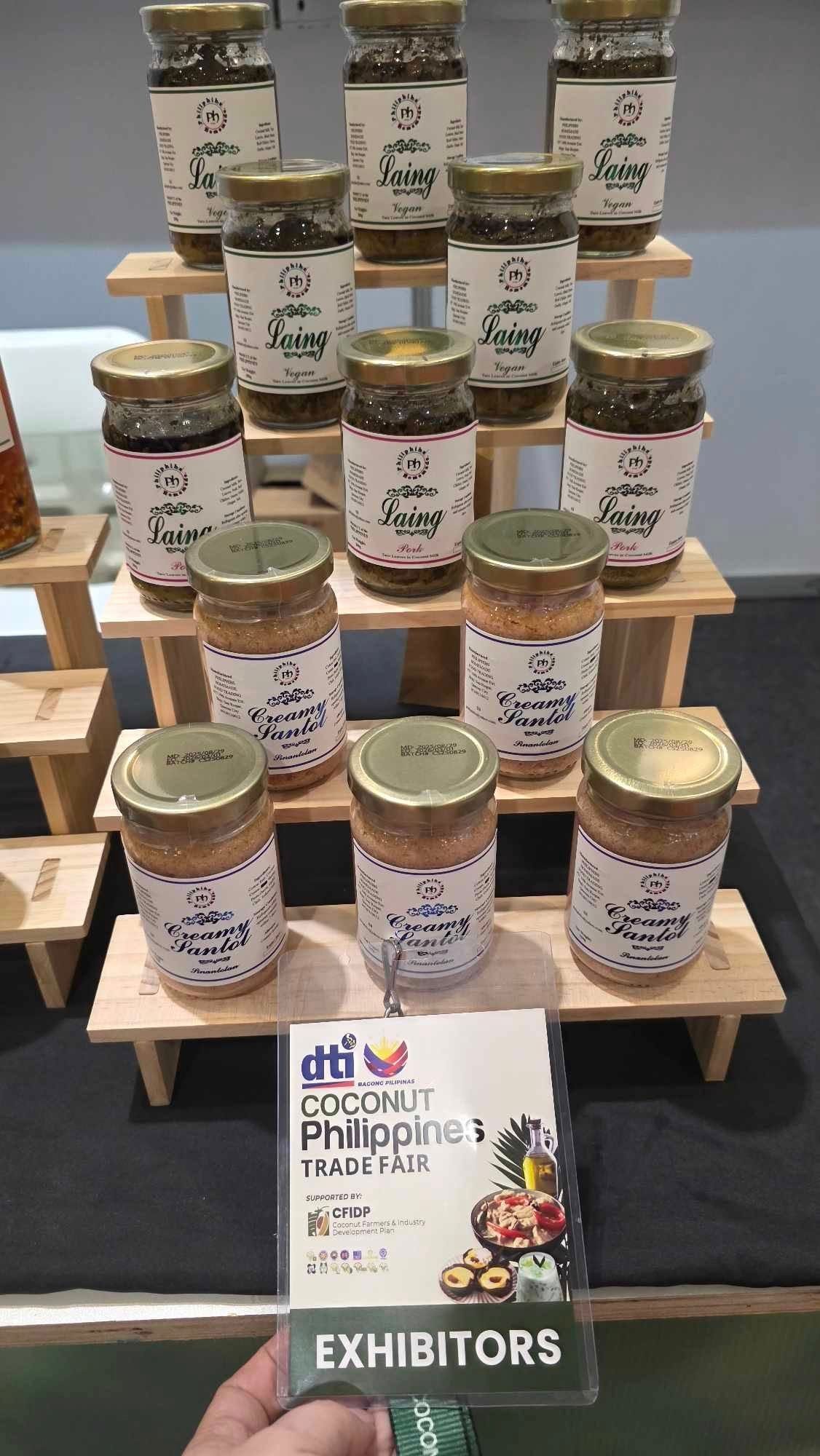
The free-admission event was designed to empower local entrepreneurs and at the same time offer a rich gastronomic experience to the public. Some participating merchants of traditional goods were C Kitchen Food and Beverage House, which served the classic and four-cheese bibingka alongside loaded puto bumbong, and Lola Aying Suman Latik and Philiphibs Homemade Food Trading, known for bottled laing and tinapa. For refreshments and snacks, JuiceKo Juan Fruit Juice Bar offered fresh sugarcane or tubo drinks in dragonfruit and kiwi flavors, while RJB Mango Shake Station served mango graham shakes.

Apart from the food festival, the three-day event also featured live performances from local buskers for an ideal weekend destination for families and other locals.

Philippine Embassy in Canada and Singapore

In support of the observance, the Philippine Embassy and Consulate General in Canada launched the fifth iteration of the Filipino Restaurant Month in Canada (FRMC). According to the embassy, FRMC 2026 promotes and mainstreams Philippine cuisine across Canada by highlighting the diversity and uniqueness of Filipino dishes and ingredients, the expertise of Filipino chefs, and the growing presence of restaurants offering Filipino cuisine nationwide.

In Ottawa, the Embassy conducted the following activities: [1] Participation in the Y Embassy Chef Showcase featuring Executive Chef David Vinoya; a culinary demonstration by a Filipino chef; and a town hall meeting featuring Filipino food and culinary discussions.

PH Canada Embassy FFM Eventsp

Maki-(g)isa ngayong Filipino Food Month 2026! | Philippine Embassy in Canada

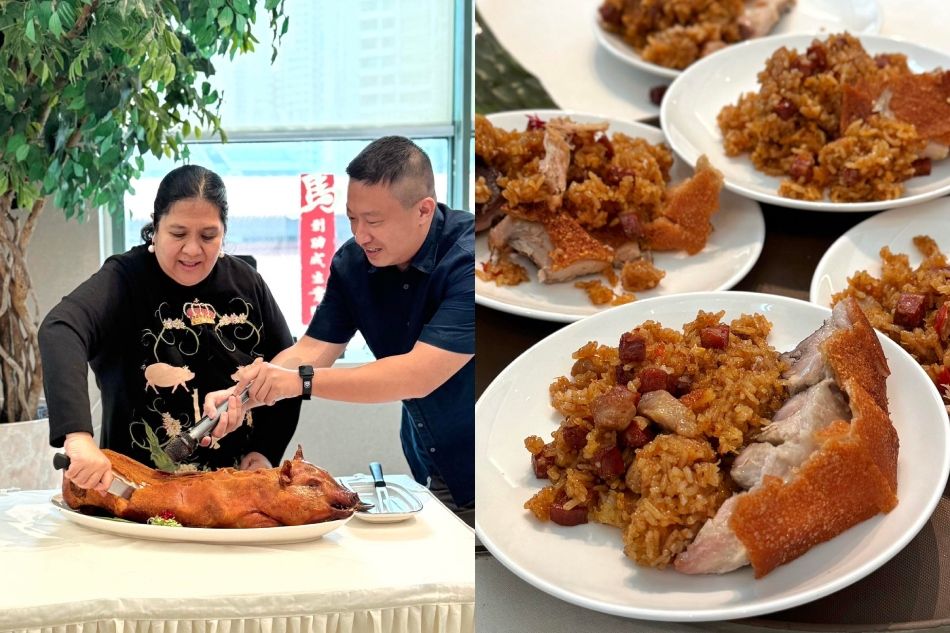
The Philippine Embassy in Singapore, on the other hand, supported by partnering with leading chefs and restaurants in Singapore to present a series of culinary events that spotlight Filipino gastronomy and creative talent. This includes “Kain Tayo” at Feast Asia, a three-week-long Filipino buffet showcase featuring regional dishes, and Lechon Diva Pop-Up, a special dining collaboration to showcase the Filipino mastery of roast pork and shared communal dining.

PH Singapore Embassy FFM Events

‘Lechon Diva’ marks Filipino Food Month with Singapore collaboration | ABS-CBN Lifestyle

These collaborations strengthen culinary diplomacy, deepen appreciation for Filipino food, and foster connections between Filipino and foreign communities.

The Establishment of Filipino Food Month

In 2018, then President Rodrigo “Roa” Duterte declared the whole month of April of every year as "Buwan ng Kalutong Pilipino" or Filipino Food Month through Presidential Proclamation No. 469, s. 2018.

This month-long celebration is led by the National Commission for Culture and the Arts (NCCA) together with partner agencies such as the Department of Agriculture (DA) and the Department of Tourism (DOT). The Filipino Food Month is aimed at promoting the Philippines’ culinary heritage and emphasizing the importance of preserving it as part of our national identity. It also recognizes how food connects communities, supports local livelihoods, and reflects diverse cultural influences.

It began when the Philippine Culinary Heritage Movement (PCHM) lobbied the DA and NCCA in 2016, requesting that April be declared Filipino Food Month. Now, these three government bodies, alongside the Department of Tourism, plan and organize the activities and events of the month.

Cook Filipino Food at Home

Filipino food is typically described as a “tropical” take on Southeast Asian cuisine with Spanish influence. It has a bold and savory mix of salty, sour, and sweet flavors balanced using common Philippine condiments and ingredients such as vinegar, soy sauce, garlic, and coconut milk.

Every month is Filipino Food Month if you love this cuisine enough. If you’d like to join in on the celebration or even just host a simple dinner party at home, you can never go wrong with serving dishes that are easy to make yet truly capture Filipino flavors. Some must-try Filipino foods are kare-kare, barbecue, lumpiang sariwa, pancit palabok, and pork pata hamonado; with this list, you have a full lineup consisting of stew, noodles, and grilled skewers perfect for a feast!

Learn all five of these dishes in one online cooking class and achieve authentic flavors guided by a real chef. This Classic Pinoy Favorites online class by Chef Chona Laureta teaches Filipino food recipes and the best cooking techniques to get favorable results.


Find more cooking courses at The Bailiwick Academy.

Subscribe to Our Market for more stories on business, food, lifestyle, and culture.

The True Essence of a Filipino Mother

03/31/2026
The True Essence of a Filipino Mother

DIY Dessert Buffet at Home: Recipes, Tips, and Ideas

CULTURE READS

The True Essence of a Filipino Mother
(As seen in their habits)

They say the essence of being a woman is being a mother. This view refers to the essence of womanhood as having the capacity to create, nurture, and care, seeing it as a unique, "God-given gift.” While highly controversial and traditional, this perspective intends to highlight the role of a mother in life and in a home.

DATEMARCH 31, 2026
AUTHORANGELA CLARE AGPAWA
READ10 Min
Filipino Mom with Kids

Filipino Mom Habits That Capture Their Essence

In celebration of Filipino moms this Mother’s Day, it’s worth looking into some of their key habits that capture their true essence. Because like Asian moms in general, they are feisty and deeply caring at the same time—it just needs a little bit of understanding.

Turning everything into a lecture

Almost every Filipino kid has had an experience of coming up to their mom to tell a funny story or share an online meme, only for it to turn into a full-blown lecture about life. From a child’s perspective, this can be frustrating, making you never want to share anything remotely funny (maybe something that isn’t even funny at all) with them ever again. It may seem superficial, but this habit says something about them.

A 2014 study by students from the Ateneo De Manila University and Duke University states that Filipino mothers emphasize the role of good parenting in raising competent children. In Bandura’s theory of self-efficacy, he contends that people in collectivist societies (such as the Philippines) have as much desire to be efficacious in the roles that they perform as those in individualistic societies. This may imply a parent’s beliefs in their ability to influence their children to foster their development and success.

So, yes, your mom seeing a video of a dog tripping over and somehow finding a way to make it a life lesson about not taking things for granted is simply because they want to be effective parents who make sure their children turn out smart, competent, and cognizant. With such emphasis on the importance of their role in the molding of children, it makes sense that this parental efficacy is a key aspect of Filipino parenting, resulting in Filipino parents evaluating their own capacities in performing the parental role.

Filipino mom scolding her kid

Doing their child’s school projects

One of the six types of involvement based on Dr. Joyce Epstein’s framework is at-home learning, in which parents provide information, assistance, or guidance to their child in order to assist him or her in completing school-related activities/tasks, thereby supplementing their child's learning. Normally, this should only go as far as guiding them through it, but Filipino mothers take it to the next level.

To make sure their children excel in school, Filipino moms tend to fully take on their children’s school projects and assignments, making them as close to perfection as possible. Under this seemingly selfish deed is a force that pushes them to do it.

The reason Filipino moms are deeply invested in their children's education is because they view it as the primary path to a better life and a way to elevate the family's status. In a society where success is measured by financial wealth, there seems to be no other safe option. With this, they tend to be strict regarding grades, prioritizing academic excellence above other activities and maintaining high expectations.

Filipino mom doing school work

Funny responses when asked for money

"Anong akala mo sa akin, ATM?” (Do you think I'm an ATM?)
"Hindi pinupulot ang pera!" (Money is not picked up off the ground!)
"Akala mo ba madaling kumita ng pera?" (Do you think it's easy to make money?)

These are just some of the most common responses from a Filipino mom when asked for money. On the outside, they may seem like shallow responses about not having money to pull out, but the message they carry all point to one financial lesson: money is worked hard for.

As a household manager, mothers don’t only manage the household budget; they are also often involved in side businesses, such as selling food or managing a small shop, to augment income. Since the Philippines is not a country of opportunities, there is also a booming number of Filipino women working overseas. Based on data from the Philippine Statistics Authority for 2024–2025 leading into 2026, female Overseas Filipino Workers (OFWs) constitute the majority, comprising roughly 57.2% of the total, or 1.25 million of 2.19 million.

It’s the mothers who know the most when it comes to anything household-related. As both handlers and makers of money, you bet those responses mean something deeper.

mom giving money angrily
READ: Chocolate Selections from CMV Txokolat to Gift Mom this Mother's Day

“Pabaon” Culture

Filipino mothers love to pack food for everyone: relatives, friends, neighbors, and guests. If you’re a direct family member, almost the entire fridge is going straight to your school or office lunch box. This generous act is quite observable in Filipino grandmothers, too, except they are more identified for feeding you until you almost explode or secretly slipping money into your palm when mom isn’t looking.

A discussion titled, “‘Mother,’ Unpacked,” by the University of the Philippines’ Department of Linguistics states that Filipinos have many symbols for “mother,” appreciating them beyond their biological function. Ina takes on abstract and symbolic roles such as source, nurturer, and sustainer. These are reflected in the words Inang Kalikasan (Mother Nature), Inang Bayan (Motherland), and Inang Lalawigan (Mother Province), which reflect a sense of identity and belongingness. Mothers are also viewed as a foundation or origin in the words: inang wika, inang kompanya, and inang selyula. There are also honorific or heroic connotations rooted in the word, manifested in the titles like Ina ng Himagsikan, Ina ng Katipunan, Ina ng Balintawak, Ina ng Biak na Bato, Ina ng Rebolusyong Pilipino, etc. Mothers are also seen as protectors, nurturers, and figures of authority.

Unlike the others on the list, the “Pabaon” Culture isn’t exactly tied to an explanation. The generosity is simply driven by nature—an innate trait possessed by all Filipino mothers explicitly expressed in titles and translations alone. Among all, Ilaw ng Tahanan (light of the house) is one of the most famous titles given to mothers, because they are naturally the nurturers of the family.

Filipino mom packing lunch box

Expressing love by being strict

Being a mom makes you invincible enough to tackle everything that's thrown at you. This is why Filipino mothers subconsciously “lash out” or come off as strict when it comes to showing emotional support or any form of affection. They've gotten used to being strong, and they want you to be too. This cultural “tough” love can also be explained by the fact that Filipino parents often show love through actions, such as managing daily chores, rather than verbal praise, sometimes using sternness to convey seriousness. The most noticeable one is probably when they attempt to apologize. Instead of saying sorry, they would make your favorite food and invite you to the kitchen table.

It’s not because they are egoistic or refuse to be vulnerable through words. For most Filipinos, direct verbal affection has not been the norm in their upbringing, hence the channeling of love and concern through actions or odd words instead. Once you understand this, you’ll see how full of love Filipino mothers are.

Filipino mom comforting child

The Essence of a Filipino Mother

A Filipino mother does not simply react; she anticipates. Her lectures are her way of getting ahead of your mistakes. The school projects she perfects are her hope that you won’t have to struggle the way she did. Even her sharp responses come from years of hard work to sustain a family and maintain a disciplined home.

The essence of a Filipino mother is not confined to a single role or trait. It lives in the way she carries responsibility without announcing it, in how she translates care into action, and in how she prepares her children for a world she knows can be unforgiving. It’s not always gentle, and it’s frankly rarely quiet, but it is steady.

When you begin to see it that way, those habits start to read like a language, and you’ll see right through everything that makes a Filipino mother different.

For more reads on business, food, lifestyle, and culture, subscribe to Our Market.

The Economic Value of Women’s Work and Roles That Keep Households Running

03/22/2026
The Economic Value of Women’s Work and Roles That Keep Households Running

The Economic Value of Women’s Work and Roles That Keep Households Running

CULTURE READS

The Economic Value of Women’s Work and Roles That Keep Households Running

We have gone significantly far from the time women were denied a lot of things: the right to vote, employment, opening a bank account, taking birth control pills, or even going to certain colleges. Ironically, society has told women to be a lot of things at the same time: a cleaner, a cook, a mother, and an erotic objectification target.

People have strong opinions about this, but a discourse that should take place more often is the economic value behind these roles. Unpaid domestic work, such as cooking, caregiving, budgeting, and organizing, costs more monetary value than people would like to admit. Moreover, it supports entire households and, in turn, national economies.

DATEMAY 22, 2026
AUTHORANGELA CLARE AGPAWA
READ10 Min
Busy Stay-At-Home Mom

The Economic Value of a Stay-At-Home Moms

According to the Philippine Statistics Authority, women in the Philippines spend significantly more time on unpaid household and care work than men. Across the region, the International Labour Organization reports that women perform over 75% of unpaid care work in Asia and the Pacific, reinforcing how deeply gendered these responsibilities remain.

Unpaid domestic work—cooking, caregiving, budgeting, organizing—quietly supports entire households and, in turn, national economies. According to the Philippine Statistics Authority, there were about 4.07 million unpaid family workers in April 2023, a category that includes people (many of them women) contributing labor to family households. Many of those classified as unpaid family workers are engaged in tasks such as household support, caregiving, and home business assistance that would otherwise require multiple paid professionals. Women in the Philippines spend an average of nearly 11 hours a day on unpaid care and domestic responsibilities, including childcare, eldercare, meal preparation, and household maintenance, according to the Philippine Commission on Women.

Put into market terms, a stay-at-home mother often performs the combined work of a full household staff. On average, a nanny or childcare provider in urban areas typically earns around ₱6,000 to ₱10,000 per month, a house helper handling cleaning and laundry earns about ₱6,000 to ₱8,000, a home cook can cost ₱8,000 to ₱12,000, and basic household financial management or administrative tasks—similar to a part-time personal assistant—can range from ₱8,000 to ₱15,000 monthly. These roles total roughly ₱28,000 to ₱45,000+ per month per household, a conservative estimate for the labor many women carry out daily without pay.

This has real economic consequences. Many women step away from formal employment to take on full-time caregiving roles, which keeps them statistically “inactive” in the labor force despite actively working every day. In 2018, the ILO stated that unpaid care and domestic work could account for as much as 9% of global GDP if assigned a monetary value. These numbers are proof that what happens inside the home does not mean it’s outside the economy; it is a major part of it, just not formally counted.

On the bright side, let’s not dwell only on statistics. Hats off to women with the bravery of a warrior and supportive men who saw flaws in the system, gender roles in more liberal cultures are slowly shifting. Still, many traditional female roles remain—not just out of habit, but because they continue to hold real function and value in everyday life.

Female Roles That Keep Households Running

The Role as Caregiver and Nurturer

Mother taking care of a kid

Even though modern society is embracing equal capabilities between men and women more and more, women are still generally regarded as primary caregivers for children and the elderly in the family. This is because women are viewed as greatly empathetic and often demonstrate high emotional responsiveness and cognitive empathy, the ability to recognize emotions and take other perspectives.

Like mentioned, there are two layers to this: one being a product of social and cultural expectations, and the other being biological programming. Women’s hormones, particularly estrogen, can predispose females to higher levels of empathy and nurturing behavior. At a young age, girls are also often presented with toys that emphasize softer, more nurturing skills, which develop further as they grow up.

Over time, this combination has shaped expectations, placing emotional labor largely on women. In many households, this extends beyond physical care—-emotional support, conflict resolution, and maintaining relationships fall into this space as well, making caregiving a deeply layered and highly valued responsibility.

Management of the Household

Working mom with kids

Running a home has long been associated with women, though the nature of this responsibility has evolved. Today, household management goes beyond cooking and cleaning, and now includes budgeting, scheduling, organizing, and decision-making that keep daily life running smoothly.

In a household, money-making is typically considered the man’s responsibility, whereas women take on the role of “default manager,” where she handles invisible tasks such as tracking groceries, planning meals, remembering birthdays, or coordinating family schedules. These responsibilities need strict mental organization and foresight, which are frequently overlooked but truly important in maintaining structure at home.

Even in dual-income households, this mental load tends to remain uneven. However, awareness around shared responsibilities is growing, and more families are beginning to redistribute these roles in ways that feel balanced.

Passing Down of Culture

In the many roles that women take on as household managers, together with their empathetic, social abilities, they have also taken the role as custodians of culture—preserving and passing down years of belief and tradition within families and communities. This can be seen in food preparation, storytelling, language use, and other practices during gatherings and celebrations.

Recipes are not always just recipes; those handed down through generations carry personal histories. Family rituals, no matter how simple, are sustained through repetition and memory, frequently guided by women. This extends to teaching values, manners, and social behaviors, contributing to larger, more impactful matters that shape how younger generations understand identity and belonging.

Cultural continuity usually depends on these everyday actions. Through them, traditions remain alive, not as static practices, but as evolving expressions of heritage.

Grandmother playing with her granddaughter

Community Building and Social Cohesion

Women are greatly participative in activities that build and maintain communities. This includes organizing events, supporting local initiatives, and creating networks that connect people with shared interests or needs.

One of Our Market’s partners, Queen of Hearts Couture Cakes by Valeri Valeriano and Christina Ong, is a close proof of this. Starting as curious young adults who barely knew anything about baking or buttercream, they took a leap of faith and went from selling small cupcake batches to conducting classes all over the world, publishing educational books, and even selling merchandise of their own. Eventually, they created Cake Club PH, a group of passionate bakers and food entrepreneurs, to build a welcoming community whose members help each other and have a great time together.

Cake Club PH Gen Meet / Women in community-building activities

In both formal and informal settings, women often act as connectors. They bring people together as a way of initiating collaboration and sustaining group dynamics. This strengthens social cohesion and encourages collective participation, particularly in local environments.

These are just some of the things that make women an ever-important part of society. They are timeless contributors who create impact and put work into things often overlooked.

What’s a female role you still observe today? Share in the comments below!

For more reads on business, culture, food, and lifestyle, subscribe to Our Market.

The History of Gifting Flowers

02/15/2026
The History of Gifting Flowers

The History of Gifting Flowers

CULTURE READS

The History of Gifting Flowers

The Valentine rush may just have passed, with many people sending and receiving gifts like chocolates, stuffed animals, and of course, flowers. Yet flower-giving does not simply fade once February 14 ends. The gesture continues to carry meaning long after the occasion.

While everyone sees the intimate and thoughtful gesture in flower-giving, it’s more likely recognized as a generic act of affection rather than something with a much deeper meaning, a meaning that traces all the way back to the Ancient Greeks. With romance still lingering in the air, it would be great to revisit this history and maybe bring back the charming sense of flowers as gifts.

DATEFEBRUARY 15, 2026
AUTHORANGELA CLARE AGPAWA
READ10 Min
Person giving flowers to another

History of Giving Flowers

During the ancient Greek period, flowers were often brought to temples as floral offerings to honor their gods and goddesses. As time went by, the tradition extended to giving flowers to beautiful women or earthly goddesses. From there, flowers became a symbol of various meanings to express their feelings.

Person giving flowers to another

Like the Greeks, the Ancient Egyptians also perceived flowers as something holy, offering them to the pharaohs by placing them in their tombs to fend off evil spirits. They also used flowers in festivals like the Opet Festival, which celebrated the time the river Nile’s floodwaters replenished the land and restored Egypt’s fertility.

During the Victorian Era, people suppressed public emotion due to strict social codes that valued conservatism. This suppression was a reaction to perceived societal instability and religious beliefs, later creating tension between inner emotional lives and outward stoicism.

Because of this, the idea of using flowers as a way to express sentiments was especially helpful to the Victorians, eventually adopting it as a subtle coded communication, like the language of flowers (Floriography) for private feelings.

Floriography (The Language of Flowers)

It’s not an exaggeration to say “flowers have meanings” or “flowers are a whole new language.” You may come across online posts or read books that state those high-sounding one-word meanings for certain flowers, like innocence, amiability, or rigor, but really, you can also give someone a yellow carnation to politely say “I don’t like you,” while they look at it and think they received pretty flowers. That’s mean though, try not to do that!

Book on the Language of Flowers

The term Floriography is used to describe the cryptologic language of flowers in which flower species are given specific meanings. Specific flower arrangements hold secret messages or emotions that can be displayed to the recipient. Though flowers have been used as symbols since ancient times in all parts of the globe, the practice of floriography did not become widely popular until the Victorian Era (1837-1901) in England and the United States.

In 1819, the first-ever flower dictionary titled Le Langage des Fleurs by the French author Charlotte de la Tour was published, explaining the meanings behind hundreds of flower species. Many other floral dictionaries and almanacs were in circulation by the turn of the century that describe species of flowers, their meanings, and usage origins. During the era, these books became a standard piece of literature in homes, including two other influential books such as the Floral Emblems: or a guide to the language of flowers by Henry Phillips and Language of Flowers by Kate Greenaway, which are still in print today.

The meanings of flowers depended on a lot of things, such as religion, mythology, folklore, literature, and even medicinal use.

Flower Traditions in Different Cultures

White lilies, chrysanthemums, yellow flowers

Love white lilies? You might like receiving them, but you might want to think twice about giving them if you’re somewhere in the UK. In British culture, white lilies are strongly associated with funerals and sympathy. They often symbolize purity, peace, and remembrance, which is why they appear so often at memorial services. With that association, giving white lilies in a celebratory or romantic setting can feel misplaced to some people, even if no offense is intended. They aren’t inherently disrespectful, but the meaning they carry makes them a better fit for solemn environments rather than festive ones.

China follows the same principle except with chrysanthemums and white flowers in general. In Russia, this applies but with a different expression. Instead of focusing on flower type or color, the meaning depends on the number of stems. Even-numbered bouquets are reserved for funerals and graves, while odd numbers belong to celebrations.

In Brazil, flower-giving is something mostly done by women rather than by men. It’s not common for men to send flowers; if they do, it’s usually only to their wives.

In Mexico, yellow flowers symbolize death. They are only used for Day of the Dead celebrations. Let’s rummage through our Disney x Pixar knowledge and think of the movie Coco.

Many more floral traditions exist globally. We interpret everything differently, while that is confusing in essence, it’s also a large part of what makes culture beautiful. Just back it up with a quick research and your flowers are bound to be perceived as having good intentions.

Flower-Giving in the Modern Era

Being an ancient knowledge, not a lot of people know much about flower language anymore, so nobody really reads much into it when given flowers; if you send or receive one, they are automatically viewed as a sign of affection.

In the modern era, not only are the flowers’ meanings put aside, but even the color or type. Artistry and creativity have led us to the creation of flowers made of paper, clay, fuzzy wire, satin ribbon, and even plastic bottles, and what has made it to the top trends recently is handmade satin ribbon flowers!

Satin ribbon flowers/roses

The silk ribbon flowers are trendy because they look neat, elegant, and uniquely different from real flowers. They have a shine that doesn’t fade, they never wither, and because they are handmade, just looking at them makes you think of the effort put into making them.

MN FLOWER.PH is one of the best local makers of handcrafted ribbon bouquets in the digital market. If you’re looking to get a fully customized arrangement to celebrate future anniversaries, milestones, or other occasions, you can check out Iskaparate.

Want more culture reads and recommendations like this? Subscribe to Our Market.

Comments

No posts found

Write a review
Background Music Player