
CULTURE READS
ICYMI: Here’s What Happened at the Filipino Food Month 2026
Filipino cuisine has been steadily climbing up the ranks of the best cuisines in the world over the years. In the TasteAtlas Awards 25/26, the Philippines placed 25th among 100 countries, with dishes such as inasal na manok, sinigang, and sinigang na baboy ranking among the world’s top 100 best dishes.
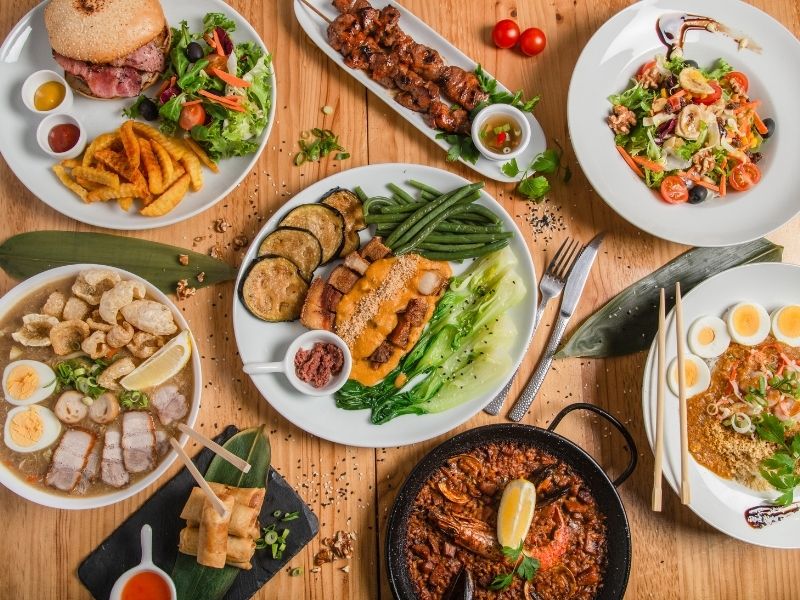
Gaining global recognition for the entirety of our culinary culture is an achievement, especially knowing that the world is finally appreciating it outside of adobo, lumpia, and halo-halo. To celebrate our culinary treasure, there’s no better time than April, the Filipino Food Month (FFM).
This is not heard about as often as other observances, but you’d be surprised at how greatly celebrated it is by different organizations and LGUs in the country. Here’s a peek at them and how you can celebrate in your own little way!
DATEAPRIL 05, 2026
AUTHORANGELA CLARE AGPAWA
READ10 Min

Philippine Celebration of Filipino Food Month 2026
This year’s theme, "Connected by Taste: The Filipino Food in the Flavors of ASEAN,” is anchored on the Philippines' ASEAN Chairmanship, aiming to spotlight local culinary heritage.
April 2026 activities for Filipino Food Month unfolded as coordinated yet locally distinct programs, with each host location celebrating the observance around its own food identity, public spaces, and community networks. Announcements made during the national press briefing led by the National Commission for Culture and the Arts (NCCA) outlined a month full of culinary fairs, heritage talks, cooking demonstrations, and institutional collaborations, but the actual experience on the ground showed how differently each area interpreted that framework.
FFM Opening at Iloilo SM Terminal Market
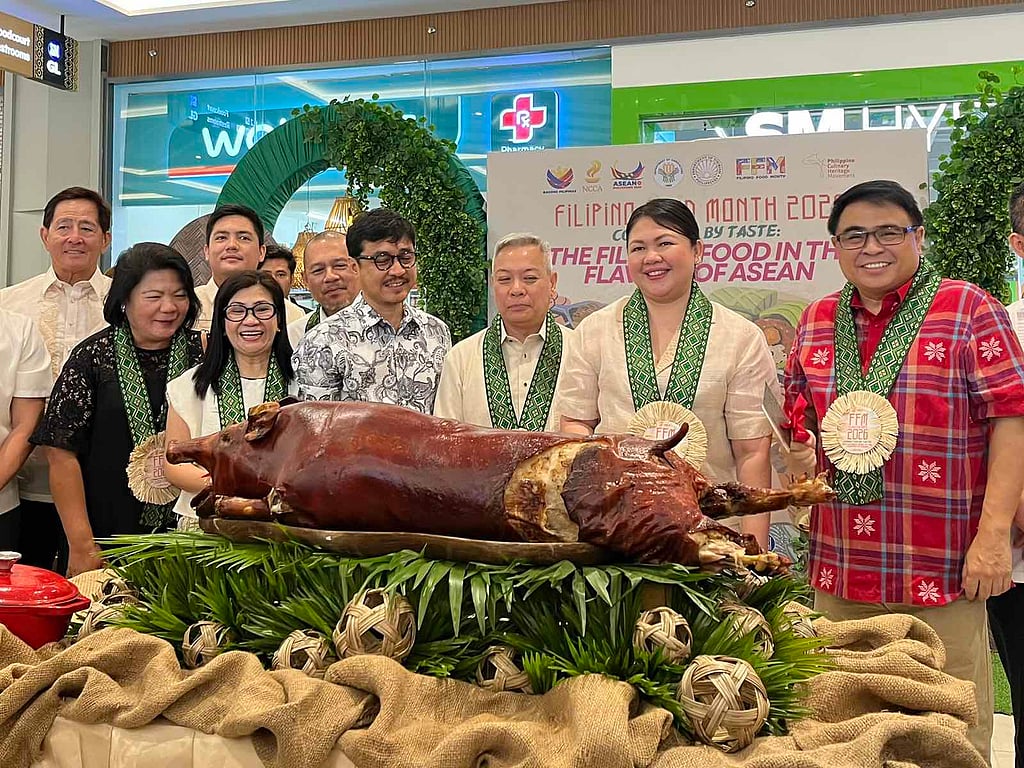
Iloilo City sets a hearty table for Filipino Food Month 2026 | Daily Tribune
As a recognized UNESCO Creative Cities Network Creative City of Gastronomy, Iloilo City hosted the opening program for this year’s Filipino Food Month celebration at the SM Terminal Market. It grounded the launch in an active food marketplace instead of a formal hall. The setup positioned vendors as central participants rather than supporting exhibitors. Stalls were still operational as the launch moved through the market aisles, making daily food transactions an authentic part of the program.
Ilonggo cuisine was the food focus: La Paz Batchoy prepared in large, steaming vats, pancit molo wrappers folded on-site, and KBL (kadyos, baboy, at langka) emphasizing indigenous ingredients, particularly pigeon peas, which remain underutilized outside the region. Tied to the theme, the event encourages an examination of the culinary ties and shared flavor profiles that link the Philippines to its Southeast Asian neighbors, instead of viewing dishes as isolated phenomena.
The launch was a collaborative effort that gathered key representatives from the National Commission for Culture and the Arts (NCCA), the UNESCO National Commission of the Philippines (UNACOM), the Philippine Culinary Heritage Movement, the Department of Tourism (DOT) Region VI, and the Department of Agriculture (DA) Region VI.
Kapampangan Cuisine at Clark Freeport Zone

Filipino Food Month 2026 celebration opens in Clark | SunStar
In Clark Freeport Zone, the opening of Filipino Food Month focused on Kapampangan culinary heritage. Contrary to Iloilo’s celebration, the event was staged in a government and business setting rather than a traditional festive ground. The program boasted brilliant techniques, preparation discipline, and the structured culinary tradition in Kapampangan cooking.
Launching with a location-specific theme, “Pamangan: Pamana Qñg Dulang – Savor the Flavors of Metro Clark,” the place was full of bringhe steaming in clay pots, sisig sizzling on iron plates, tibok‑tibok melting, and other heirloom dishes from Metro Clark such as Porac, Angeles City, Mabalacat City, Capas, and Tarlac.
It was attended by 147 guests including officials, chefs, entrepreneurs, and cultural leaders, and also incorporated formal remarks from local officials and cultural representatives. The Clark Development Corporation (CDC) said the initiative is part of its strategy "to diversify tourism beyond meetings and events, positioning food as both cultural asset and economic opportunity.”
“Food is not just nourishment. It is culture, passion, and identity,” CDC President Agnes Devanadera
Eastwood Food Fair in Quezon City
Eastwood marks Filipino Food Month with ‘Flavors of QC’ food fair | ABS-CBN Lifestyle
In Quezon City, the Eastwood City area hosted a food fair on April 10-12 with the theme "Flavors of QC: A Curated Melting Pot of Filipino Cuisine," which shifted the focus toward urban food identity and accessibility. Here, Filipino food was not tied to one region; vendor clusters at the Eastwood Central Plaza represented different districts of the city, with each reflecting street food-inspired stalls and contemporary Filipino food counters.
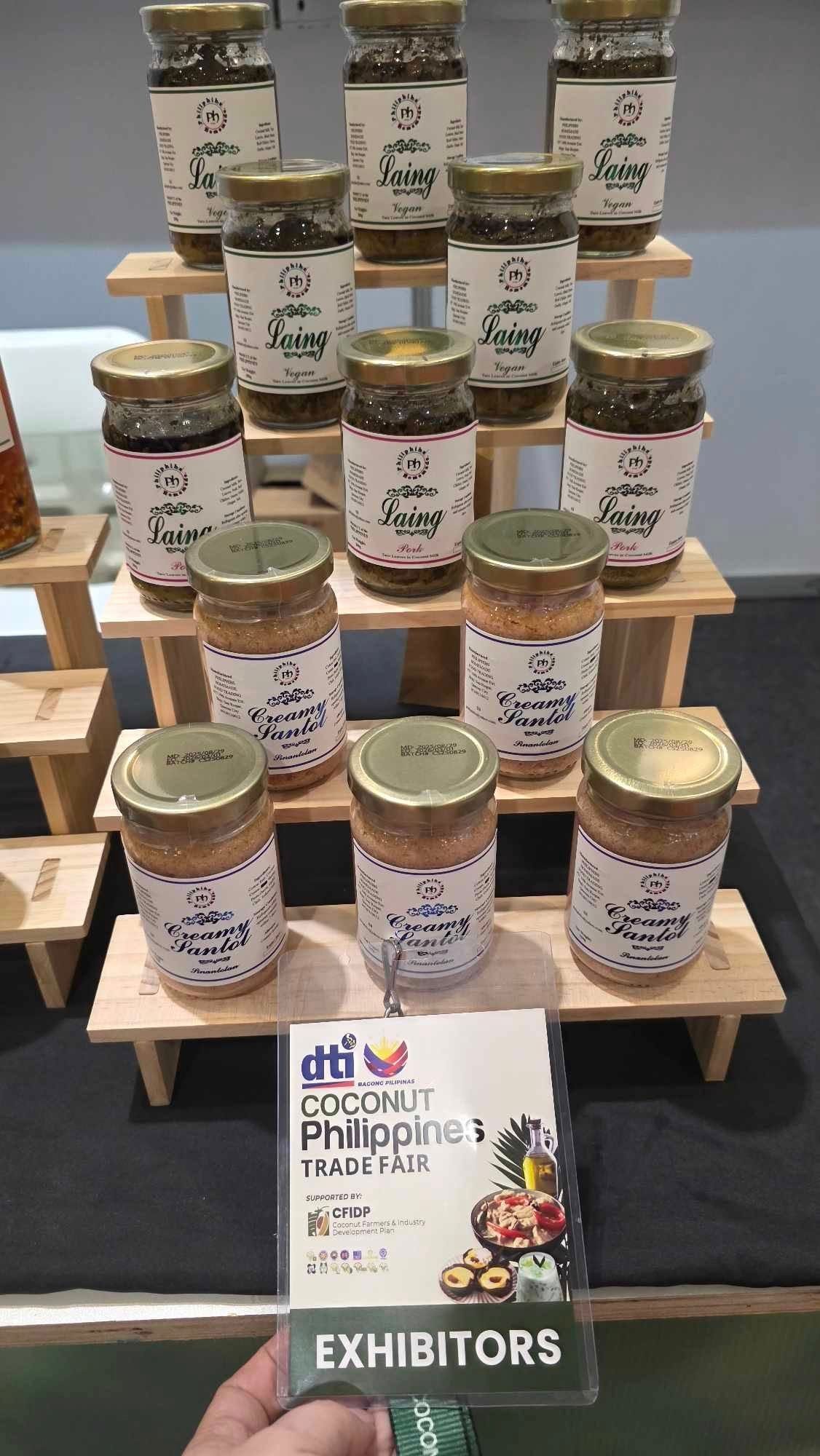
The free-admission event was designed to empower local entrepreneurs and at the same time offer a rich gastronomic experience to the public. Some participating merchants of traditional goods were C Kitchen Food and Beverage House, which served the classic and four-cheese bibingka alongside loaded puto bumbong, and Lola Aying Suman Latik and Philiphibs Homemade Food Trading, known for bottled laing and tinapa. For refreshments and snacks, JuiceKo Juan Fruit Juice Bar offered fresh sugarcane or tubo drinks in dragonfruit and kiwi flavors, while RJB Mango Shake Station served mango graham shakes.
Apart from the food festival, the three-day event also featured live performances from local buskers for an ideal weekend destination for families and other locals.
Philippine Embassy in Canada and Singapore
In support of the observance, the Philippine Embassy and Consulate General in Canada launched the fifth iteration of the Filipino Restaurant Month in Canada (FRMC). According to the embassy, FRMC 2026 promotes and mainstreams Philippine cuisine across Canada by highlighting the diversity and uniqueness of Filipino dishes and ingredients, the expertise of Filipino chefs, and the growing presence of restaurants offering Filipino cuisine nationwide.
In Ottawa, the Embassy conducted the following activities: [1] Participation in the Y Embassy Chef Showcase featuring Executive Chef David Vinoya; a culinary demonstration by a Filipino chef; and a town hall meeting featuring Filipino food and culinary discussions.

Maki-(g)isa ngayong Filipino Food Month 2026! | Philippine Embassy in Canada
The Philippine Embassy in Singapore, on the other hand, supported by partnering with leading chefs and restaurants in Singapore to present a series of culinary events that spotlight Filipino gastronomy and creative talent. This includes “Kain Tayo” at Feast Asia, a three-week-long Filipino buffet showcase featuring regional dishes, and Lechon Diva Pop-Up, a special dining collaboration to showcase the Filipino mastery of roast pork and shared communal dining.
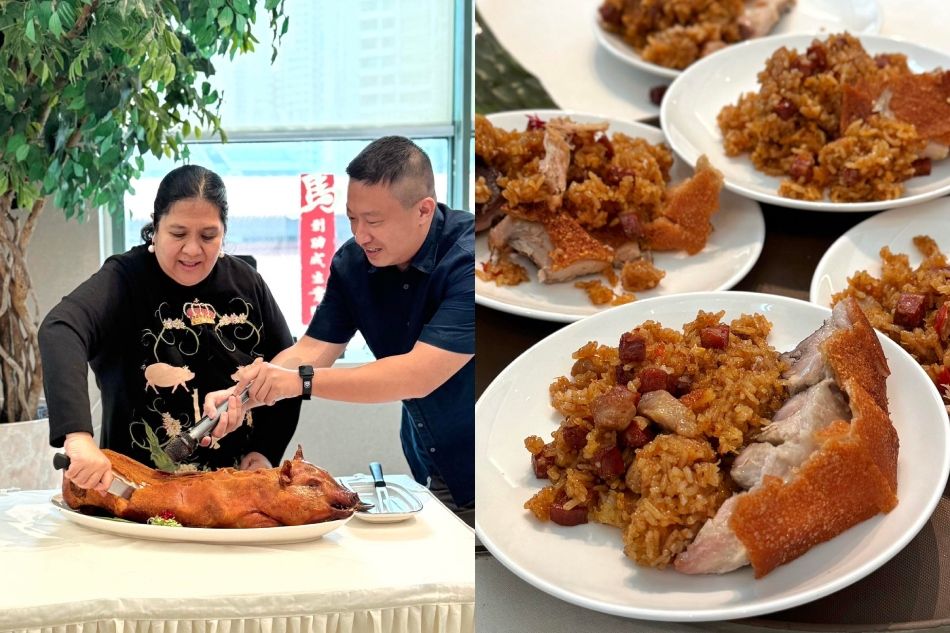
‘Lechon Diva’ marks Filipino Food Month with Singapore collaboration | ABS-CBN Lifestyle
These collaborations strengthen culinary diplomacy, deepen appreciation for Filipino food, and foster connections between Filipino and foreign communities.
The Establishment of Filipino Food Month
In 2018, then President Rodrigo “Roa” Duterte declared the whole month of April of every year as "Buwan ng Kalutong Pilipino" or Filipino Food Month through Presidential Proclamation No. 469, s. 2018.
This month-long celebration is led by the National Commission for Culture and the Arts (NCCA) together with partner agencies such as the Department of Agriculture (DA) and the Department of Tourism (DOT). The Filipino Food Month is aimed at promoting the Philippines’ culinary heritage and emphasizing the importance of preserving it as part of our national identity. It also recognizes how food connects communities, supports local livelihoods, and reflects diverse cultural influences.
It began when the Philippine Culinary Heritage Movement (PCHM) lobbied the DA and NCCA in 2016, requesting that April be declared Filipino Food Month. Now, these three government bodies, alongside the Department of Tourism, plan and organize the activities and events of the month.
Cook Filipino Food at Home
Filipino food is typically described as a “tropical” take on Southeast Asian cuisine with Spanish influence. It has a bold and savory mix of salty, sour, and sweet flavors balanced using common Philippine condiments and ingredients such as vinegar, soy sauce, garlic, and coconut milk.
Every month is Filipino Food Month if you love this cuisine enough. If you’d like to join in on the celebration or even just host a simple dinner party at home, you can never go wrong with serving dishes that are easy to make yet truly capture Filipino flavors. Some must-try Filipino foods are kare-kare, barbecue, lumpiang sariwa, pancit palabok, and pork pata hamonado; with this list, you have a full lineup consisting of stew, noodles, and grilled skewers perfect for a feast!
Learn all five of these dishes in one online cooking class and achieve authentic flavors guided by a real chef. This Classic Pinoy Favorites online class by Chef Chona Laureta teaches Filipino food recipes and the best cooking techniques to get favorable results.
Find more cooking courses at The Bailiwick Academy.
Subscribe to Our Market for more stories on business, food, lifestyle, and culture.
