
FOOD NOTE
Homey Pinoy Dishes to Cook This Filipino Food Month
In Filipino culture, the phrase “Have you eaten yet?” (Kumain ka na ba?) is just as common as simple greetings and gestures. This is how much we value food and the importance of nurturing oneself by looking out for one another.
The Philippines is considered to have one of the most unique cuisines in the world due to its wide-ranging mix of external influences, including Spanish, Chinese, American, Mexican, Malay, and even Japanese, Korean, and Indian. It’s ironic because “authentic” Filipino cuisine just means combining a bunch of different cooking styles and methods from different countries, but that is also what makes it so unique.
If you didn’t know, April is Filipino Food Month! Different parts of the country had their own take on the observance by holding various events to celebrate and showcase the goodness of our culinary culture. You too can join in on the celebration in the comfort of your own home!
DATEAPRIL 13, 2026
AUTHORANGELA CLARE AGPAWA
READ10 Min

Homey Pinoy Dishes to Cook This Filipino Food Month
Filipino dishes hit different when they are home-cooked; they taste familiar, almost as if you’re taken back to the time you were younger and lunch was made together by lola and nanay. Bring those days back by making some of the dishes in this Filipino food list:
Lugaw: Filipino Rice Porridge

Lugaw is a traditional rice porridge made by simmering rice in water or broth with ginger, garlic, and onions until thick and creamy. It is a no-brainer breakfast among Filipinos, which explains why you would often pass by carinderias or street eateries that mainly serve lugaw. It’s frequently served warm with toppings like fried garlic, scallions, boiled eggs, and calamansi. It is also a popular comfort food taken during sick days.
Arroz caldo and goto are two of the most well-known variations of lugaw. They are all the same in essence, only slightly going in different directions, especially once toppings are added. Arroz caldo leans into a more Spanish-influenced flavor profile and uses chicken as its main protein. It’s often enriched with saffron or kasubha, which gives it a warm golden color and a more aromatic broth. Goto, on the other hand, uses beef tripe as its defining ingredient, which gives it a deeper, more savory taste and a chewier texture, making it different from the smoother feel of plain lugaw.
Ginataan: Filipino Sweet Coconut Milk Stew

While more often eaten as merienda (midday snack) and dessert, ginataan is also typically eaten for breakfast, especially by those who prefer a sweeter option to kickstart their day. The base of this dish is composed of glutinous rice balls (bilo-bilo in Tagalog), coconut milk, and sugar, and is commonly mixed with sago pearls, ripe jackfruit, bananas, and root crops like sweet potatoes or taro.
Ginataan comes from the root word “gata,” meaning coconut milk. Ginataan is a direct translation of “done with coconut milk,” referring to a method that involves simmering with coconut milk; thus, other variations such as ginataang mais, ginataang halo-halo, and ginataang munggo (mung beans). This dish is surprisingly filling and satisfying, making it perfect for mornings.
Taho: Filipino Sweet Silken Tofu

Taho is a very common street food in the Philippines, mainly made of extra soft silken tofu, sago pearls (small tapioca pearls), brown sugar syrup (arnibal), water, and vanilla extract. It’s comforting, inexpensive, and nutritious, most of all. It contains about eight grams of protein per cup, similar to one egg. It’s most often sold early in the morning by peddlers, but it’s also eaten as a dessert because of the sweetness.
Pares Mami (Filipino Braised Beef Stew Noodle Soup)

Pares mami is a sweet and savory combination of braised beef stew and a light noodle soup on the side. “Pares” means “pair” in Filipino, which refers to the classic trio of braised beef, garlic fried rice, and a bowl of clear beef broth.
The dish is prepared by simmering the beef slowly in soy sauce, sugar, garlic, and spices until tender.
Over time, people started adding mami to it, hence the name “pares mami.” The contrast of mami with its clear broth and white noodles completely balances out the heaviness of the pares alone. It’s heavy, but in a satisfying way rather than an uncomfortable way.
Bulalo (Filipino Beef Shank and Bone Marrow Stew)

Bulalo is at 26th place on TasteAtlas’ top 100 best soups in the world as of April 2026. It’s made by boiling beef shank and marrow bones for hours until a clear, deeply flavored broth is achieved. It’s traditionally associated with places like Tagaytay due to the cooler weather, but bulalo has become a nationwide favorite often served with corn on the cob, cabbage, and potatoes. The marrow, rich and buttery, is usually the highlight, but it’s the broth that keeps people coming back.
Sinugba (Filipino Grilled Meat)

Sinugba is a Cebuano and Visayan term for "grilled" or "roasted" food, typically cooked over hot charcoal. Sinugba dishes typically use meat and seafood lightly marinated or seasoned before grilling. This method of cooking dates back to pre-colonial times, making it one of the oldest techniques still widely practiced today. This gives them a unique smoky flavor that instantly sets it apart from stovetop dishes. It’s best dipped in sauces like soy sauce with calamansi or spiced vinegar for a simple yet surprisingly satisfying meal.
Fun fact: Filipinos eat more than three meals a day. Due to a strong food culture, it is common for them to eat five to seven times, including merienda (mid-morning or afternoon snacks). Typical food items in this category are sweet and heavy.
Piaya (Filipino Muscovado Flatbread)
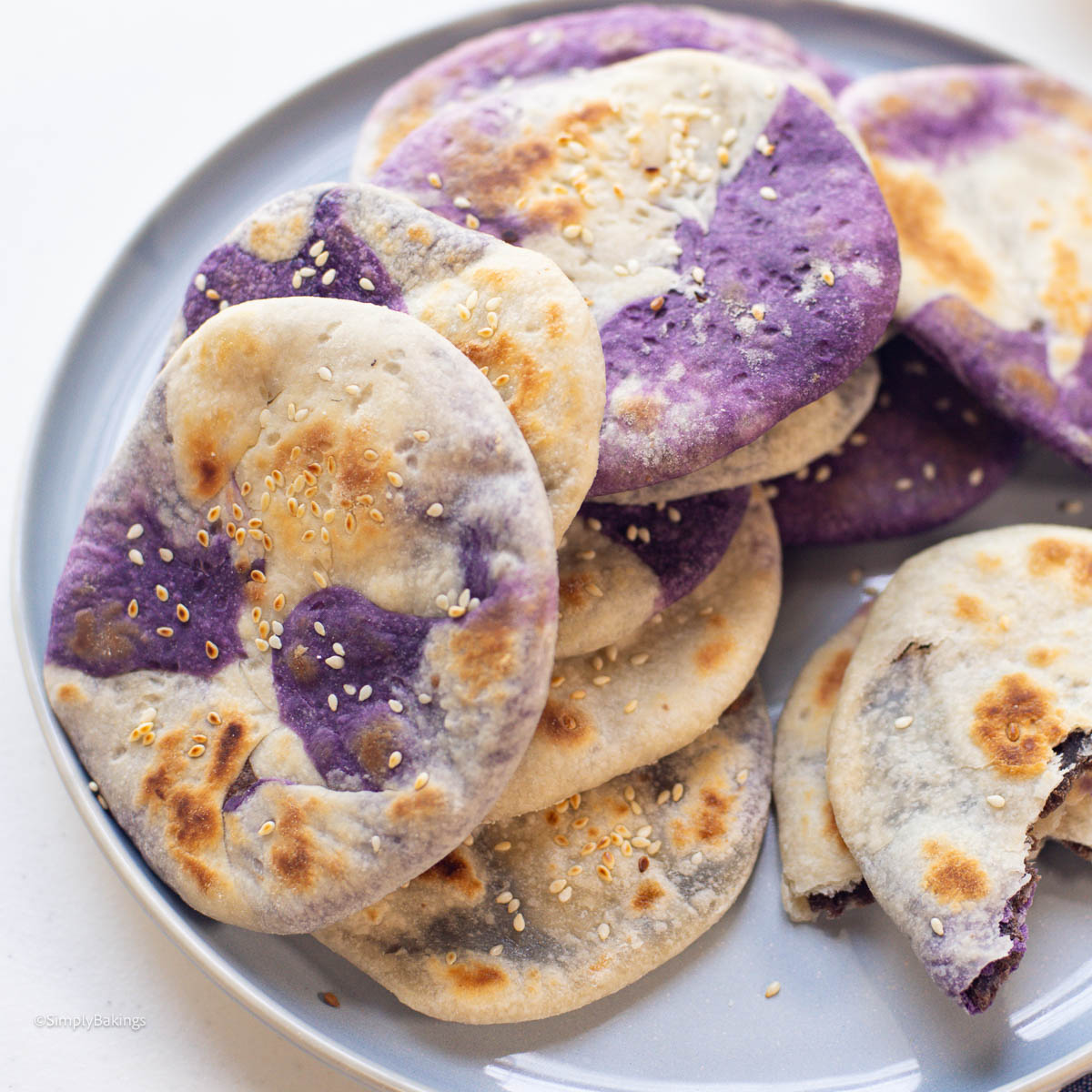
Piaya is a flat, unleavened bread filled with muscovado sugar, known for its thin, slightly crisp exterior and soft, caramel-like center. Originating from Negros Occidental, it reflects the region’s long history of sugar production. The muscovado gives it a deeper, almost smoky sweetness that sets it apart from refined sugar-based pastries. While it may look simple, achieving the right texture takes attention to heat and dough handling, as it can easily turn too hard or too soft when not cooked properly.
Cassava Cake (Filipino Grated Cassava Dessert)

Cassava cake is a baked dessert made from grated cassava, coconut milk, and sugar, often topped with a creamy custard layer. The main ingredient was introduced to the country by Portuguese and Spanish traders in the 19th century, but it’s still thriving today as a local favorite among Filipinos.
The cake has the perfect balance between dense and chewy textures, which makes it filling without a heavy feeling. This is why it’s best as an afternoon snack where you would need just enough energy to last until dinner. It’s commonly served during gatherings, but making it at home is also great for better control over sweetness and texture.
Halo-halo (Filipino Shaved Ice Dessert)

Halo-halo, which literally means “mix-mix,” is one of the most globally recognizable Filipino desserts. It’s a layered combination of shaved ice, evaporated milk, sweetened fruits, beans, jellies, and toppings like leche flan or ube. If you have not tried it yet, you’d be surprised at how well-balanced it tastes despite its playful appearance. It’s best for hot afternoons or as a sweet treat after a savory meal.
Where to find Filipino Food Recipes Online
There is always a new level to the traditional Filipino food we grew up with. Learning and mastering them not only to celebrate, but also to give tribute to the rich culinary culture of the Philippines, is one of the best ways to commemorate Filipino Food Month. Professional chefs and high-level culinary hobbyists at The Bailiwick Academy are sharing exclusive recipes for the best Filipino food you could ever make.
