
ALL LIFESTYLE
What Makes a Home Filipino: Filipino-Inspired Home Design Tips
Contemporary interior design styles continuously evolve and find their way to the homes of Filipinos. Moreover, with trendy house designs that are frequently shown in the internet space where the majority has access to, we are repeatedly influenced to gain a new creative eye and influence our home design decisions.
With all the new styles, designs, and trends coming in, how can we retain the Filipino personality of our home? Here are Filipino-inspired home design tips.
DATE
August 3, 2026
AUTHOR
ANGELA CLARE AGPAWA
READ
10 Min

What Makes a Home Filipino: Filipino-Inspired Home Design Tips
Add Filipino Native Elements.
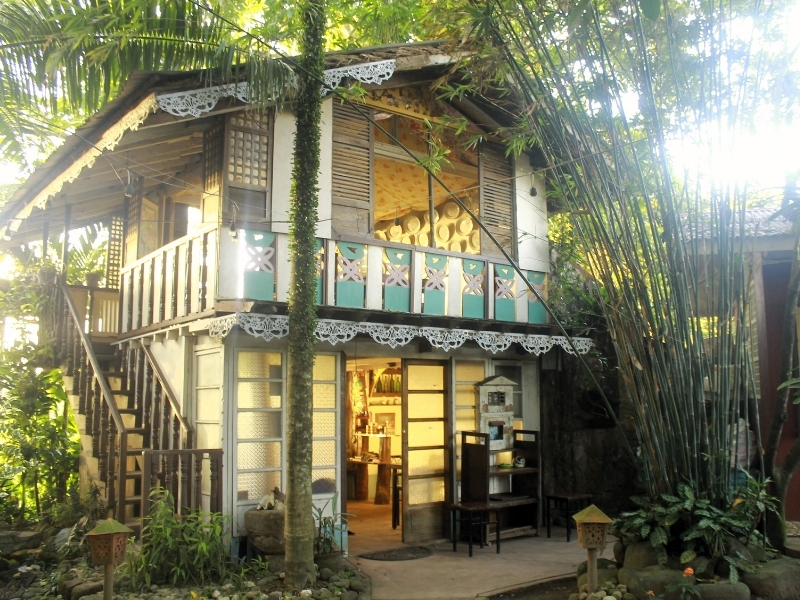
Even if a home seems completely modern, eclectic, or even maximalist, adding traditional Filipino interior elements as accent pieces can instantly make a home feel Filipino.For the most part, incorporating a lot of wood elements is a huge contribution to creating a traditional Filipino house design, especially if it is one of those ancestral hardwoods made from narra, having that range of colors from vibrant golden-yellows and warm amber-browns to deep, fiery red and blood-red hues.
Other iconic Filipino home elements include Solihiya or rattan weave accents with sunburst patterns. Other than adding structural beauty to antique wooden chairs and headboards, it also allows continuous airflow.
There are also Capiz shell windows, which feature translucent shells of the Windowpane Oyster (Placuna placenta) that filter harsh sunlight. Installing these into wooden grids creates soft, diffused lighting and a warm pearlescent finish.
Like ancestral hardwood, Kawayan (or bamboo) is also great for adding structural texture and visual rhythm. In the same way, using Abaca (manila hemp) fibers to create handwoven abaca wallpapers not only elevates the visual aesthetics of the place but also helps naturally absorb ambient sound.

Read: Bayong: Philippine Woven Bags
Hang Filipino Paintings
When designing a home, paintings are almost always a non-negotiable as they make the space interesting by adding personality and aesthetic. Choose paintings that tell stories of the Filipino community and showcase Filipino culture, something similar to popular Philippine paintings like Planting Rice by Fernando Amorsolo or Madonna of the Slums by Vicente Manansala.The great thing about this is that paintings do not make that big of a dent to alter the style of the home overall—just enough to give a vibe. This allows you to create a Filipino atmosphere while having the freedom to style the house in all different ways. Most importantly, you get to bring a piece of history on the walls of your home.

Use Encaustic Tiles
The iconic Machuca tiles or baldozas mosaicos have been a distinct element of traditional Filipino homes ever since they first became popular in the Philippines. Brought from Spain by founder Don Jose Machuca y Romero in 1903, these handmade cement tiles were the flooring of choice for grand ancestral homes, churches, and government buildings.With the brand’s popularity peaking throughout the 1920s and 1930s, the intricate geometric and Mediterranean-inspired patterns defined upscale colonial architecture. Today, the heritage tiles are experiencing a massive resurgence. You can still frequently spot their distinctive colorful motifs in modern Metro Manila cafes and restaurants like Mary Grace and Wildflour.
While Machuca popularized handmade cement tiles in the Philippines, Many manufacturers now produce encaustic-style cement tiles inspired by heritage designs. Making a simple tile choice can make such a drastic change, giving both Filipino and regal senses in one space. Most importantly, they suit pretty much all interior design styles.

Read: The Better Choice: Handmade Products Over Mass-Produced Items
Switch to Ah-Tay-inspired Bed
The Ah-Tay bed (also known as calabasa bed) is a traditional carved wooden four-poster bed named after its maker, Eduardo Ah-Tay, who was a Chinese immigrant in Binondo. The elaborately carved narra canopy beds were highly sought after by the affluent Filipino families back in the 19th century. If the back of the headboard was also carved, it signified that the owner of the house was wealthy.Original pieces are now considered museum-quality antiques and regularly appear in major Philippine auctions. But of course, there are many furniture makers that sell modernized versions of the Ah-Tay bed—still possessing their iconic features such as four tall posts, intricate hand-carved woodwork, and solid hardwood construction.
Other than the Filipino feel it gives, the Ah-Tay bed is serves as a striking statement piece due to its ornate wood carvings and towering four-poster silhouette that bring old-world elegance into modern bedrooms while keeping it traditional.

Incorporate a traditional Layout
Traditional Filipino homes were designed focusing on tropical climate and family living. Spaces were open, airy, and welcoming, encouraging natural ventilation and making it easy for family members and guests to gather.Some ways you can do this are by installing small, operable wooden shutters beneath your windowsills (called the ventanilla system), connecting the living room directly to your garden using sliding doors, or making a caida or antesala, the part of a traditional Filipino colonial house (bahay na bato or Filipino stone house) where the upper entrance hall or foyer is located at the top of the main staircase.
You do not have to recreate an ancestral house or do these specifically; you can simply keep common areas open. Maximize natural light, incorporate large windows, and create inviting living and dining areas to evoke warmth.

