
All Lifestyle
Is having kids romanticized as fertility rates decline?
There is a particular image that seems to follow adulthood everywhere: a warm kitchen, a laughing toddler, tiny shoes by the door, a family gathered around a dinner table. Parenthood is not often presented as a “possible” life path, but as the ultimate picture of a life finally made complete.
Yet, fewer people are actually having children.
In the Philippines, the total fertility rate fell to 1.7 children per woman in the 2025 National Demographic and Health Survey, down from 4.1 in 1993. The country has also seen registered live births decline by 22.1% between 2015 and 2024.
That contrast is too apparent to not raise a question: As having children becomes less common, are we also romanticizing parenthood more?
DATEOctober 28, 2026
AUTHORANGELA CLARE AGPAWA
READ5 Min

The Romanticization of Parenthood Amid Declining Fertility Rates
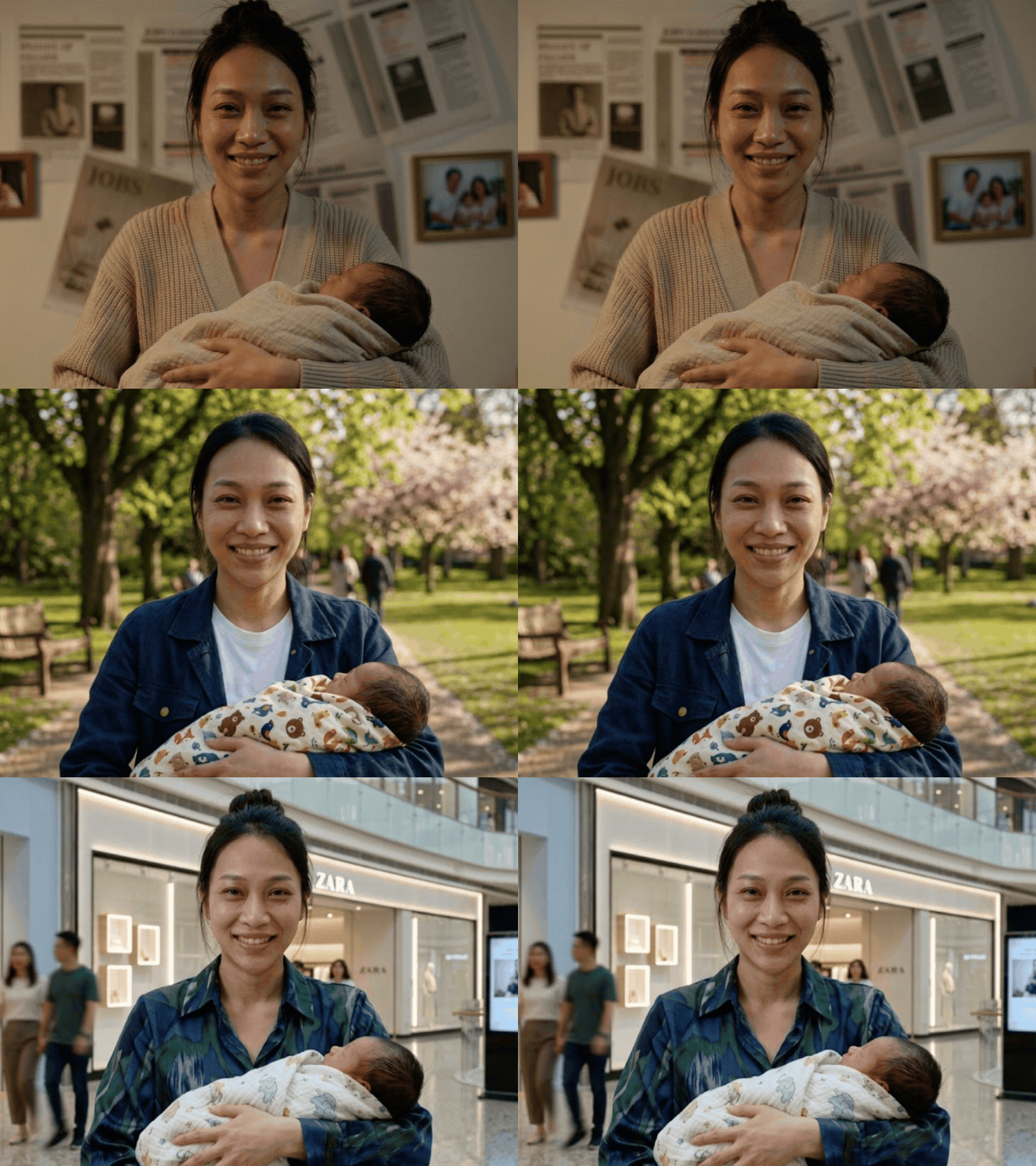
Declining Fertility Rates Modern portrayals of having children make parenthood look cinematic.
A lot of parents on social media post pretty, neat nurseries, matching family outfits, first birthday parties with fancy themes, and videos of their toddlers saying something adorable. Even messy, difficult moments are made into sentimental content: sleepless nights become funny stories, messy homes become signs of a full life, and suddenly, exhaustion is proof of unconditional love.
This does not mean that the affection is fake. Parents can genuinely find extraordinary joy in raising children. The problem comes when the beautiful parts take dominance and reject acknowledging the real hardships.
Writer Jennifer Senior explored this gap in her book All Joy and No Fun: The Paradox of Modern Parenthood , describing the difference between “the parenting life of our fantasies” and its everyday realities. The book analyzes how children can bring profound meaning to their parents' lives while also greatly affecting their time, relationships, work, and sense of self.
The reality is that more than picture-perfect moments, parenthood comes with years of financial commitments, childcare, education, household labor, emotional responsibility, and major changes to personal time and relationships. The romantic image can make those realities feel like footnotes to a supposedly natural progression into adulthood.
Fertility is falling, but desire for family has not disappeared
Declining fertility does not automatically mean people have stopped wanting children.
The United Nations Population Fund's 2025 State of World Population report found that one in five people surveyed across 14 countries expected not to have the number of children they wanted. The barriers included the cost of parenthood, job insecurity, housing, concerns about the future, and difficulties in finding a suitable partner.
Dr. Natalia Kanem, Executive Director of UNFPA, put the distinction plainly: “The issue is lack of choice, not desire.” She argued that many people are unable to create the families they want because of economic and social barriers, pointing to needs such as paid family leave, affordable fertility care, and supportive partners.
The Philippine numbers tell a similar story of changing family formation. The PSA's 2025 survey found that fertility was lower among women with higher educational attainment and among wealthier households. The total fertility rate decreased to 2.0 from 4.8 children per woman in rural areas and to 1.5 from 3.5 children per woman in urban areas, with fertility remaining consistently higher in rural areas.
All these findings and factors point to something more complicated than the notion that “young people don't want kids.”
Some people genuinely prefer a child-free life. Others want children but feel they cannot afford them. Some postpone parenthood to build careers, find a partner, or become financially secure. Others face fertility difficulties themselves.
Parenthood, then, is not simply a matter of wanting the picture.
When social pressure dresses up as nostalgia
Romanticizing children can also blur the difference between personal desire and social expectation.The ever-familiar script: finish school, establish a career, get married, buy a home, have children. For generations, this sequence was treated as the standard definition of a successful adult life. However, today's adults are making those decisions in a different economic environment.
Housing is expensive, childcare can be difficult to access, and maintaining two incomes can be necessary for a household to stay financially comfortable. UNFPA has identified economic insecurity, housing costs, and unequal caregiving responsibilities among the barriers that can prevent people from having the families they want.
Yet cultural messaging can still frame parenthood as something people will eventually “understand” once they experience it.
This can turn a personal decision into a moral one, as if being child-free is a mistake and becoming a parent is the correct choice.

It is a common scenario for someone who prefers not to have children to be told they will change their mind. Someone who wants children but cannot have them may be treated as though they simply waited too long. And someone who chooses to have one child is typically asked when the next one is coming.
The romantic image becomes a standard against which real lives are measured.
The fertility conversation needs more than baby fever
There is another side to the issue that deserves attention: fertility decline is a demographic concern, but it is not an excuse to pressure individuals into having children.The UNFPA's 2025 report argues that the central fertility issue is not simply having “too many” or “too few” births, but people's ability to make reproductive choices freely.
In the Philippines, UNFPA Country Representative Dr. Leila Joudane made the distinction even more directly in 2025: “The true fertility crisis isn't about numbers, but the lack of reproductive agency.” She noted that young people can struggle to build the families they want while simultaneously being blamed for low fertility rates.
So, a society concerned about declining fertility has more useful questions to ask than, “Why aren't people having babies?”
Can families afford childcare? Are workplaces compatible with raising children? Can parents share caregiving responsibilities? Is fertility care accessible? Can people raise children without sacrificing their financial stability or entire identities?
Addressing these questions is more important than simply promoting the idea of parenthood.
Children should be wanted, not a demographic fix
 There is nothing wrong with loving the idea of having children. There is also nothing wrong with finding fulfillment in parenthood. The problem is failing to draw the line between fantasy and reality.
Senior's work on modern parenthood captures this tension well: the arrival of a child can be one of the most profound changes in adult life, bringing both meaning and a loss of autonomy. Parenthood does not have to be miserable to be demanding, and acknowledging its demands does not diminish the love parents have for their children.
A child is not a lifestyle accessory, a solution to loneliness, a retirement plan, or evidence that someone has successfully reached adulthood. Parenthood is a long-term relationship with another human being whose needs will eventually extend far beyond the photogenic years.
With a declining fertility rate, the better response is to make room for people to make informed, supported decisions about family life and to create conditions in which those who genuinely want children have a fair chance to raise them.
Read more articles on lifestyle and health at Our Market.
