
Food Note
Brisket, Five Ways: Dishes worth taking your time for
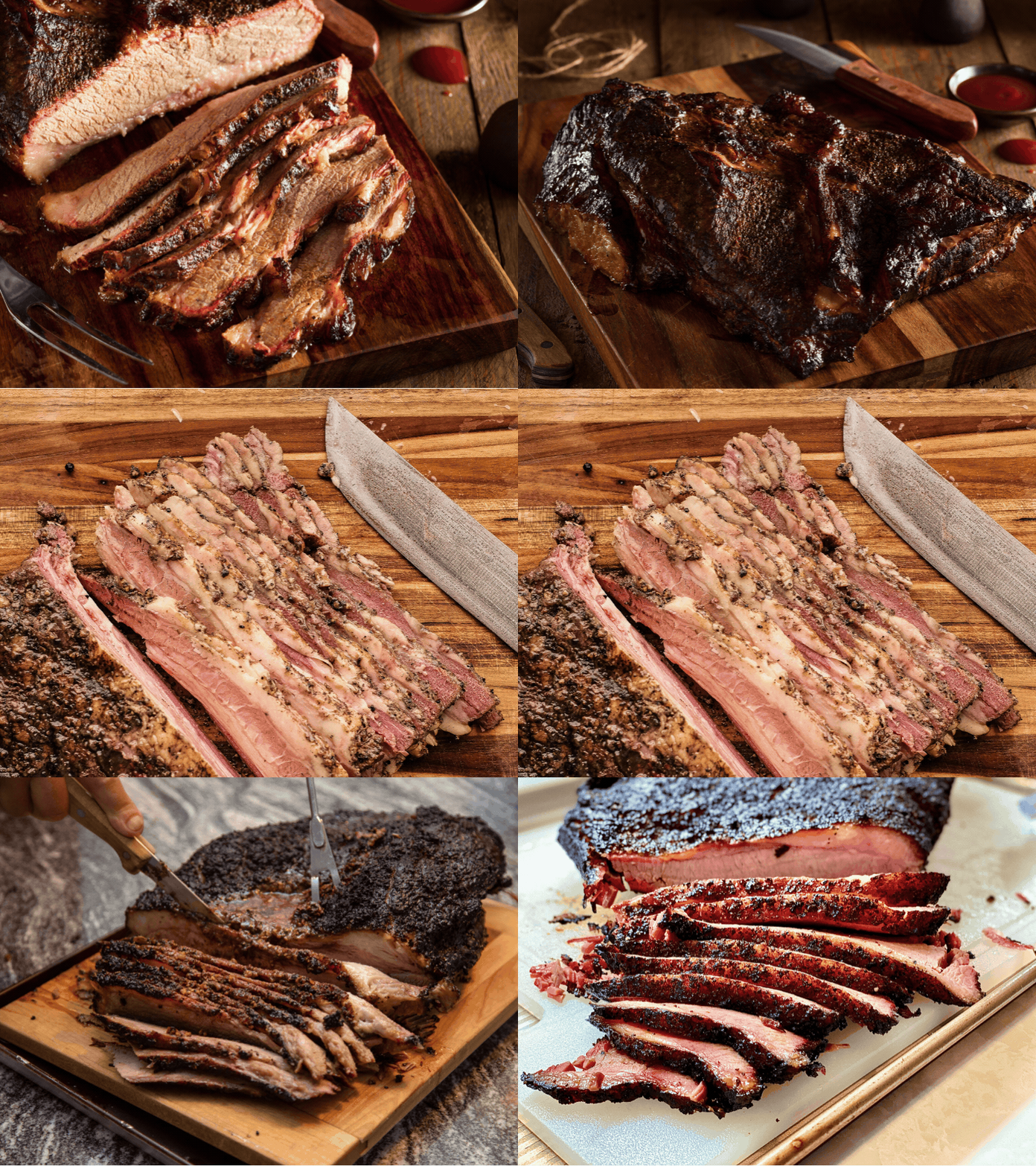
Brisket is technically only a cut of meat, yet somehow, it feels more special than our everyday beef dish. It is rich, hearty, and full of flavor. Maybe because it is also a cut that rewards patience. Rushing makes it tough, and taking time makes it amazingly tender.
A good candidate for the beauty of cooking, brisket has found its way into various dishes. Here’s what makes this cut special, types of brisket cuts to know, and five brisket dishes worth trying.
DATESeptember 4, 2026
AUTHORANGELA CLARE AGPAWA
READ5 Min

The Brisket Guide: Cuts, Flavors, and Dishes to Try
The Fancy Cut: Beef Brisket
Brisket comes from the breast area of cattle, near the front legs. Since these muscles do plenty of work while the animal is moving, the meat contains a significant amount of connective tissue. That is why brisket is not typically treated like a steak that can simply be seared and served.Instead, brisket is best cooked slowly over low heat. Over several hours, heat gradually breaks down its connective tissue, tenderizing the meat while its fat adds richness and flavor. In the United States, it became particularly important for Jews. Eating slow-roasted brisket on Rosh Hashanah became a tradition. Ashkenazi Jewish immigrants later brought brisket traditions to Texas, where smoked brisket eventually became a huge part of the state's barbecue culture.
Brisket was also once considered a relatively inexpensive cut. Historical records from Texas show it being used for stews and other dishes long before it became synonymous with smoked barbecue. Its transformation into barbecue royalty, hence the iconic Texas Barbecue, came gradually, helped by the development of low-and-slow cooking and the availability of pre-cut briskets through the meatpacking industry.

Brisket Cuts: Flat vs. Point
A whole beef brisket consists mainly of two muscles: the flat and the point. They can be cooked together as a whole brisket or separated into individual cuts.Flat Cut (First Cut)
The flat is the leaner, larger portion of the brisket. It has a relatively even shape, which makes it easier to slice neatly after cooking.Because it contains less fat than the point, the flat is commonly used for dishes where the brisket is sliced and served with a sauce or gravy. It is particularly suited to braising, provided it is cooked gently and given enough time to become tender.
Point Cut or Second Cut
The point is smaller, thicker, and fattier than the flat. That extra fat makes it especially appealing for barbecue, where long cooking times typically make the meat much richer and juicier.The point's uneven shape also makes it not the most ideal for perfectly uniform slices, but that is hardly a problem when you are making chopped brisket, sandwiches, burgers, or other dishes where appearance does not matter as much as flavor.
Bonus: Deckle
You may have heard the term “deckle” used interchangeably with second cut. Strictly speaking, however, they are not the same thing. The deckle is the layer of hard, fatty connective tissue that connects the brisket to the steer's ribs. Though in everyday butcher and culinary language, people do use "deckle" interchangeably to mean the second cut/point muscle.
What Flavors Work Best With Brisket?
One of the reasons brisket works well in a lot of dishes is because it can handle bold flavors.In making a classic barbecue, adding common spices such as salt, black pepper, garlic, paprika, and smoked spices can already build a savory crust around the meat. A sweet-and-savory combination of brown sugar, barbecue sauce, or a little honey can also complement the beef's richness.
For braised brisket, onion, garlic, carrots, tomato, red wine, beef stock, and herbs work particularly well for a tasty burst of flavors. Asian-inspired preparations can lean into soy sauce, ginger, garlic, sesame, or a touch of sweetness.
W5 Brisket Dishes to Try
Brisket is far from a one-dish meat. Once cooked until tender, it can become the centerpiece of everything from a classic barbecue plate to a surprisingly satisfying burger.Oven Barbecue Brisket
No smoker? No problem. An oven barbecue brisket can still deliver tender beef with a deeply seasoned exterior.Season the brisket generously, then cook it slowly at a low temperature until tender. Finish it with your favorite barbecue sauce for a sweet, smoky, tangy coating. |
Don’t be fooled, though; easy-sounding recipes are often the hardest to master. A dish having few steps means it relies on how elaborate those steps are. Cooking a good oven barbecue brisket needs high-quality ingredients, the perfect cooking temperature, and a great set of techniques—failing in just one of them can immensely affect the quality of your dish.
This Oven Barbecue Brisket online cooking class at The Bailiwick Academy teaches how to cook oven barbecue brisket from ingredient selection to dish presentation, allowing you to make the holiday dinner favorite on a normal Tuesday.
VIDEO:
Braised Brisket
Braised brisket is comfort food at its finest. The meat is slowly cooked in liquid until tender, allowing the beef to absorb the flavors of the broth, vegetables, herbs, and seasonings.A classic version can use onions, carrots, garlic, beef stock, and tomatoes, while richer preparations may include red wine. The finished brisket can be sliced and served with its cooking liquid spooned over the top.

Brisket Burger
Take the burger route by turning tender cooked brisket into the filling—or combining brisket with ground beef for a richer patty.Top it with caramelized onions, cheese, pickles, or barbecue sauce for a sandwich that is decidedly more indulgent than the standard burger. Leftover brisket can also be chopped and piled into a bun for an easy next-day meal.

Brisket Stew
If you love hearty Filipino-style stews, brisket is an excellent candidate for a slow-cooked dish. Its connective tissue and rich flavor work particularly well with long cooking times.Try it with potatoes, carrots, onions, and a savory broth. You can also take inspiration from dishes such as beef caldereta, using tomato sauce, aromatics, and your preferred vegetables for a Filipino-inspired brisket stew.

Brisket Meatballs
Brisket does not have to stay in one large piece. Grind or finely chop cooked brisket and turn it into meatballs for something a little different.Mix the meat with breadcrumbs, egg, garlic, herbs, and seasonings, then bake or pan-fry until browned. Serve them with tomato sauce, gravy, or even barbecue sauce. They can work as an appetizer, pasta topping, sandwich filling, or party dish.

For more food tips, tutorials, and recommendations, subscribe to Our Market.
